understanding 24vdc relays: applications, features, and selection guide
Release time:2025-12-06 05:49:27
A 24VDC relay is an essential component in many electrical systems, primarily used for controlling circuits or devices with a 24V direct current (DC) signal. These relays work by using the electromagnetic principle to control the switching of electrical contacts. With their reliability and versatility, 24VDC relays are widely applied in industrial automation, control systems, and even home appliances. This article will delve into the working principle of a 24VDC relay, its applications, key features, and factors to consider when selecting one.
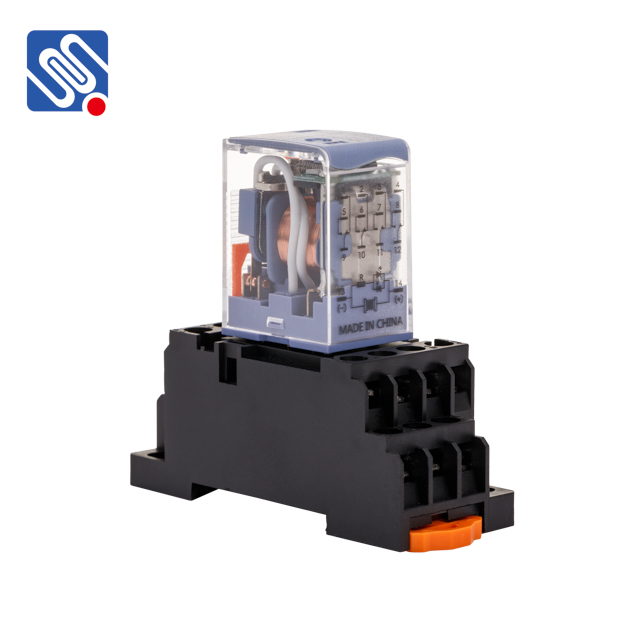
What is a 24VDC Relay? A 24VDC relay is an electromechanical switch that operates using a 24V DC control voltage. The relay consists of a coil (electromagnet), movable contacts, and a spring mechanism that holds the contacts in their default position. When a current is passed through the coil, it generates a magnetic field that pulls the contacts together (or separates them, depending on the relay type), thus completing or interrupting the electrical circuit. The switch’s ability to control higher power circuits using a low control voltage is what makes relays indispensable in many applications.




 Chat Oline