understanding relay electrical diagrams
Release time:2026-01-05 15:17:12
Relay electrical diagrams are essential tools for understanding and managing electrical circuits, specifically when it comes to automated control systems. These diagrams illustrate how relays function within a circuit, providing a clear visual representation of the components involved and their relationships to one another. This article aims to explore the components of relay electrical diagrams, their significance in electrical engineering, and practical applications.
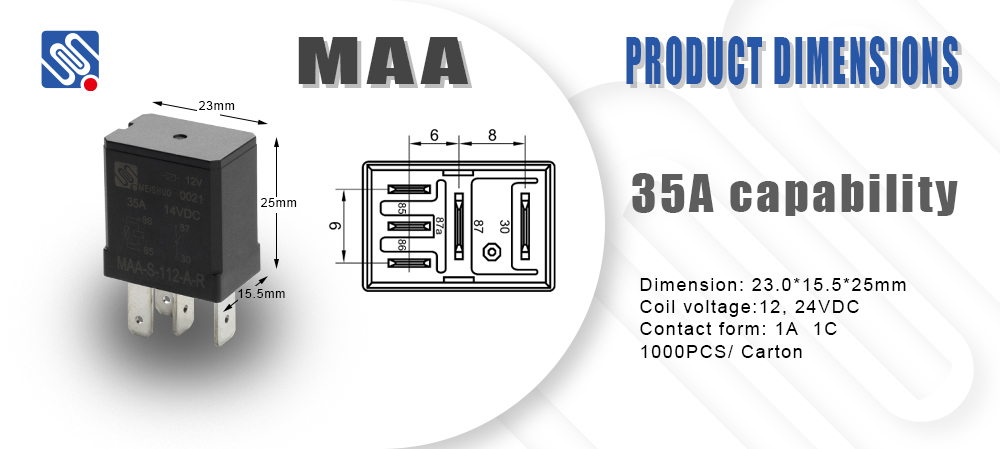
A relay is an electromagnetic switch that uses a low-voltage electrical signal to control a higher-voltage circuit. The primary purpose of a relay is to enable a circuit to control another circuit without any direct electrical connection between them. This feature is crucial in various applications, from simple home appliances to complex industrial machinery.
The first step in understanding a relay electrical diagram is familiarizing oneself with the symbols used. The relay coil is typically represented by a rectangle or an oval, while the relay's contact points are depicted as lines and dots. These symbols vary slightly depending on the standards followed, but they essentially convey similar meanings. The diagram will show both the coil and the contacts in their default states—normally open (NO) and normally closed (NC).




 Chat Oline