power relay: the backbone of high-power circuit control
Release time:2026-01-05 16:35:46
Power Relays are crucial components in modern electrical systems, serving as the bridge between low-power control circuits and high-power load circuits. By efficiently switching high current loads without direct manual intervention, power relays play a pivotal role in various industries, from home appliances to industrial automation. This article explores the importance, working principles, types, and applications of power relays, demonstrating their essential role in modern electrical and electronic systems.
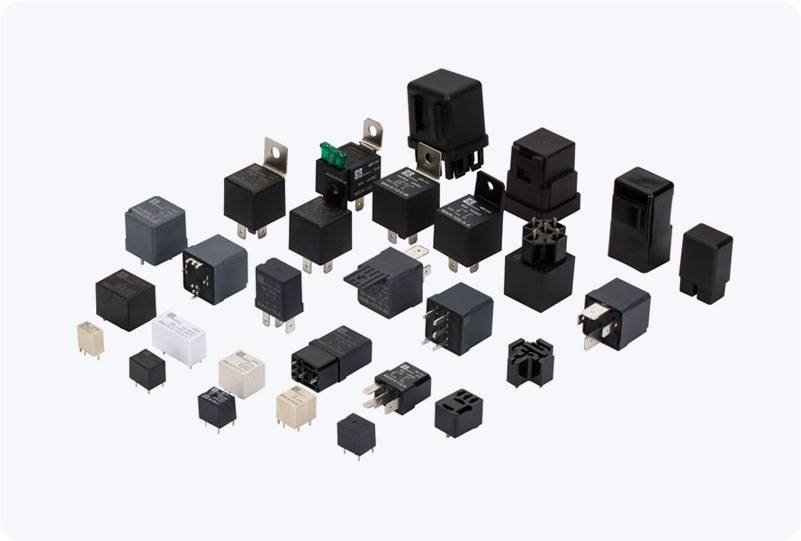
What is a Power Relay?
A Power Relay is an electromechanical device that controls a high-power circuit using a low-power signal. It operates based on electromagnetic principles, where an electrical current flows through a coil, generating a magnetic field. This magnetic field pulls or pushes a mechanical arm, causing the relay's contacts to either close or open, thus completing or breaking an electrical circuit.
Power relays are primarily designed to switch high voltage and high current circuits. Their ability to control high-power systems from a low-power control source ensures they are integral in electrical engineering. The device serves as an on-off switch in various applications, including motors, industrial machinery, heating systems, and lighting.




 Chat Oline