panasonic power relay: a key component for high-performance electrical control systems
Release time:2026-01-05 18:56:24
In today’s rapidly advancing industrial and technological world, the demand for efficient and reliable electrical components has never been higher. One such component that plays a vital role in high-performance electrical control systems is the Panasonic Power Relay. These relays are designed to handle heavy-duty electrical applications, enabling safe and effective switching in various systems, from industrial machinery to consumer electronics. This article will explore the features, applications, and benefits of Panasonic Power Relays, highlighting why they are indispensable in modern electrical systems.
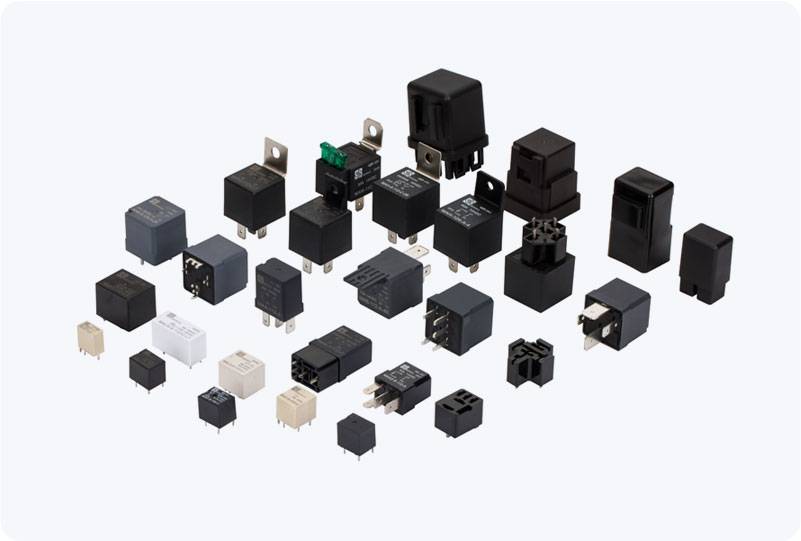
What is a Panasonic Power Relay?
A Panasonic Power Relay is an electromechanical device used to control electrical circuits by opening and closing contacts in response to electrical signals. In essence, it acts as a switch that enables or disables the flow of electricity in a circuit. These relays are primarily designed to handle high-voltage and high-current applications, making them an essential component for controlling electrical systems in demanding environments.
Key Features of Panasonic Power Relays
High Load Capacity: One of the most significant features of the Panasonic Power Relay is its ability to handle large electrical loads. It is designed to control devices that require high voltage and current, such as motors, lighting systems, and industrial machinery. Depending on the model, these relays can manage loads ranging from a few amperes to several hundred amperes, making them versatile for different applications.




 Chat Oline