industrial relay: the backbone of industrial automation control systems
Release time:2026-01-05 22:56:01
Industrial relays play a critical role in the functioning of modern industrial control systems. These electromechanical devices act as switches, used to control electrical circuits and automate complex processes. With a variety of applications ranging from machinery control to safety features, industrial relays provide an essential function in maintaining the efficiency, safety, and reliability of industrial operations. This article explores the working principles, types, applications, and advantages of industrial relays, offering a comprehensive understanding of their importance in industrial automation.
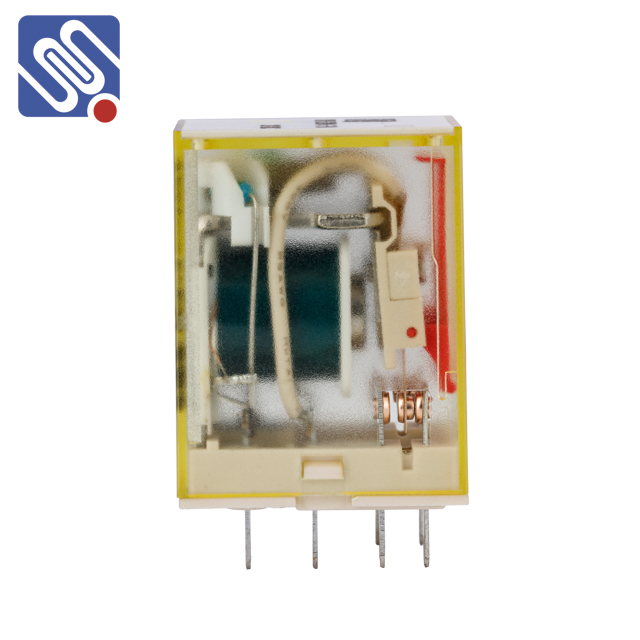
Working Principles of Industrial Relays
The fundamental working principle of an industrial relay is based on the electromagnetic mechanism. When an electric current flows through the relay's coil, it creates a magnetic field that moves a set of contacts, either opening or closing the circuit. This allows a low-power control circuit to manage high-power devices, ensuring that control signals do not have to directly carry the load current. The ability to control larger power circuits using small electrical signals is the essence of what makes relays indispensable in industrial environments.




 Chat Oline