understanding ground fault relay: a key safety component in electrical systems
Release time:2026-01-06 00:42:58
A Ground Fault Relay (GFR) is an essential protection device in electrical systems that safeguards against potential hazards caused by ground faults. These faults occur when electrical current unintentionally finds a path to the ground, often due to insulation failures, damaged wiring, or faults in electrical equipment. Ground Fault Relays play a critical role in detecting these faults and preventing damage to electrical systems, equipment, and most importantly, ensuring the safety of personnel. This article explores the functionality, importance, and applications of Ground Fault Relays, highlighting their relevance in modern electrical protection schemes.
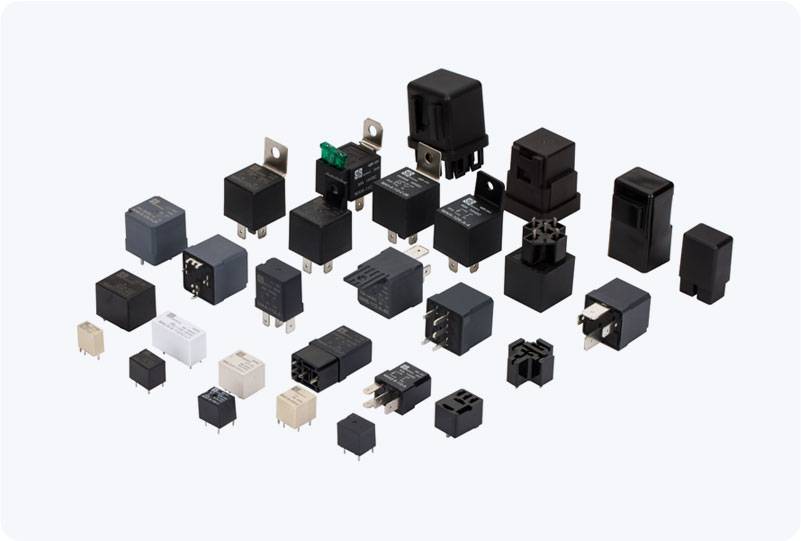
What is a Ground Fault Relay?
A Ground Fault Relay is a protective relay designed to detect abnormal conditions where electrical current flows into the ground or earth due to a fault in the system. It monitors the electrical circuit for any unbalanced currents that result from faults. Typically, a ground fault relay consists of a sensor, a monitoring circuit, and an output system, which can either trigger an alarm or disconnect the faulty circuit to prevent further damage.
How Does a Ground Fault Relay Work?
Ground Fault Relays are designed to detect the imbalance between the electrical current entering and exiting the system. Under normal operating conditions, the current in a circuit is balanced—what flows into the circuit is equal to what flows out. However, in the case of a ground fault, some of the current escapes the circuit and flows into the ground, causing an imbalance.




 Chat Oline