understanding temperature control relay: how it enhances efficiency and safety
Release time:2026-01-06 04:59:10
Temperature Control Relay is a crucial component in automated systems, playing a vital role in maintaining desired temperature levels across various applications. From household appliances to industrial machinery, these relays ensure that temperature fluctuations are controlled and addressed, thereby enhancing energy efficiency and safety. In this article, we will delve into the functionality, applications, selection criteria, and maintenance of Temperature Control Relays.
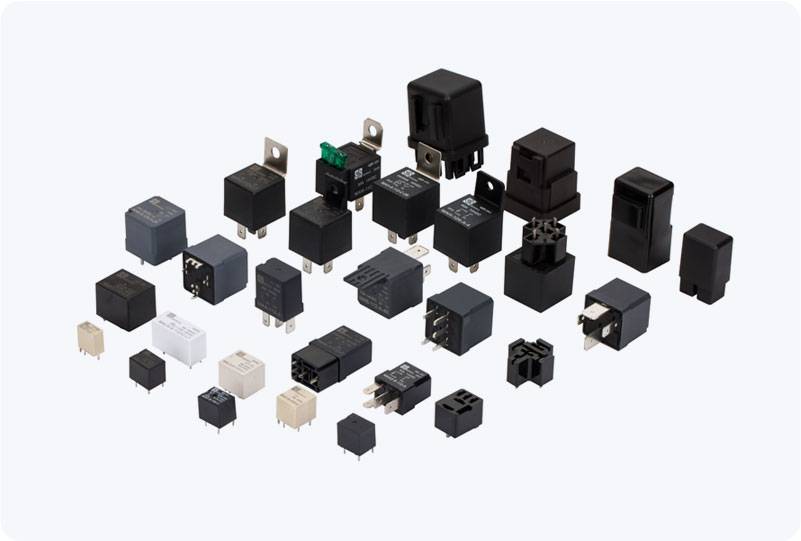
Functionality of Temperature Control Relay
At its core, a Temperature Control Relay consists of two primary components: a temperature sensor and a relay mechanism. The temperature sensor monitors the surrounding environment, providing real-time data on temperature. This can be achieved through various types of sensors, including thermocouples, thermistors, or even infrared sensors, depending on the specific application.
Once the sensor collects temperature data, it is compared against a pre-set threshold or a desired temperature level, known as the set point. If the actual temperature deviates from this set point, the Temperature Control Relay activates the relay mechanism. For instance, if the temperature drops below the set point, the relay switches on a heating element to raise the temperature. Conversely, if it exceeds the desired threshold, the relay may activate a cooling device or shut off the heating element to prevent overheating.




 Chat Oline