understanding time relays: functionality and applications
Release time:2025-12-06 09:10:27
A Time Relay is a crucial electrical component used in automation and control systems, designed to operate based on a predetermined time delay. It plays an essential role in ensuring that certain electrical processes are executed at the right moment, often after a specific delay. The functionality of a Time Relay is to switch an electrical circuit on or off after a set time period, providing precise control over various operations. This article explores the functionality, types, and practical applications of Time Relays in modern electrical systems.
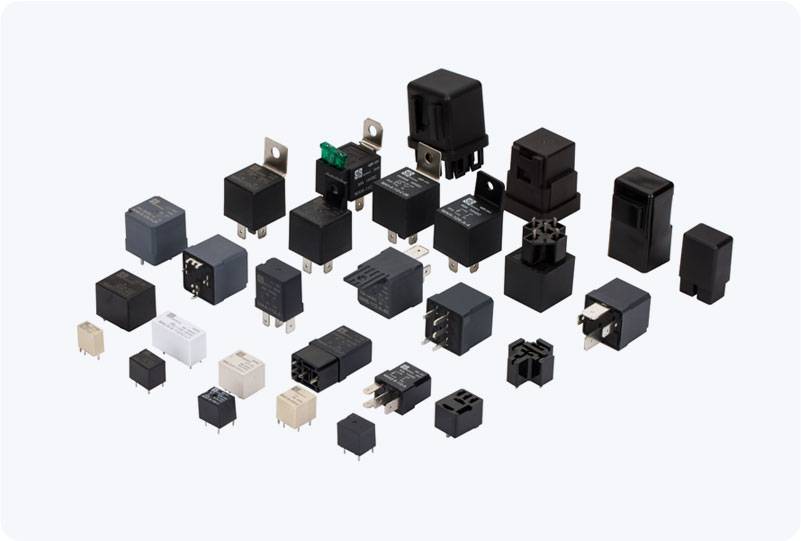
What is a Time Relay? A Time Relay is an electromechanical or solid-state device that is used to control the timing of electrical circuits. It consists of a relay and an integrated timing mechanism that allows the relay to delay its switching operation. When the relay receives a trigger signal, the time delay begins, and after the preset time has elapsed, the relay either opens or closes its contacts, allowing the connected load to be energized or de-energized. Time Relays are widely used in industrial automation, household electrical systems, and even in complex machinery setups. They are available in various configurations, offering flexibility in time delay settings, switching capacity, and operational modes.




 Chat Oline