understanding temperature control relay and its applications
Release time:2026-01-06 11:02:37
A Temperature Control Relay (TCR) is a crucial component in temperature regulation systems, widely used in various industrial, commercial, and residential applications. This device plays an essential role in maintaining a stable temperature by monitoring and controlling electrical circuits based on temperature fluctuations. Temperature Control Relays are commonly found in appliances such as refrigerators, heating systems, air conditioners, and other equipment where temperature regulation is crucial to performance and safety.
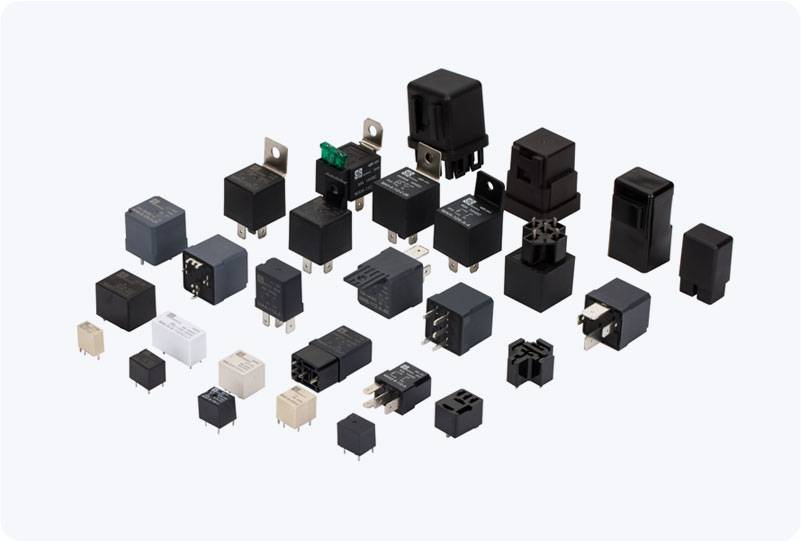
What is a Temperature Control Relay?
A Temperature Control Relay is an electromechanical device designed to detect and control the temperature in a system. It consists of a temperature sensor, a relay switch, and sometimes a controller that defines the temperature threshold. The relay’s function is to open or close a circuit when a specific temperature is reached, enabling or disabling the connected equipment accordingly.
The most common type of temperature sensor used in these relays is either a thermistor or a thermocouple. These sensors measure temperature and send data to the control system, which then triggers the relay to actuate. Depending on the temperature, the relay either connects or disconnects the circuit that controls the heating or cooling device, thus ensuring the environment stays within desired limits.




 Chat Oline