understanding electromagnetic relay: principles, applications, and advantages
Release time:2026-01-06 18:00:04
Electromagnetic relays play a pivotal role in the modern electrical and electronic systems we utilize in everyday life. These devices are designed to control high-voltage or high-current circuits using a low-voltage signal, which makes them invaluable in various applications ranging from industrial machinery to home appliances. In this article, we will delve into the principles behind electromagnetic relays, their applications, and the advantages and disadvantages they entail.
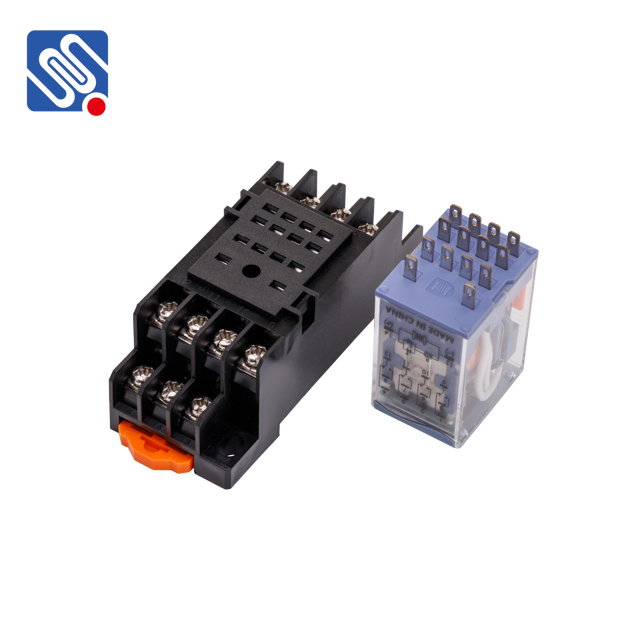
What is an Electromagnetic Relay?
At its core, an electromagnetic relay is an electromechanical switching device that operates on the principles of electromagnetism. It consists of several key components: an electromagnetic coil, a ferromagnetic core, contact points (which can be either normally open or normally closed), a spring mechanism, and an enclosure for protection. When an electrical current flows through the coil, it generates a magnetic field that attracts the armature (or lever) connected to the contact points, causing them to either close or open, thereby controlling a larger electrical circuit.
Next article:there is none left!
Return to List




 Chat Oline