understanding the importance of precharge relay for evs
Release time:2026-01-06 23:42:35
As electric vehicles (EVs) continue to gain popularity, the complexity and efficiency of their electrical systems are more critical than ever. One of the essential components in ensuring the safe and smooth operation of these systems is the Precharge Relay. This often-overlooked component plays a pivotal role in protecting the vehicle's electrical system from damage, ensuring both safety and longevity. In this article, we will explore what a precharge relay is, how it works, and why it's indispensable for modern EVs.
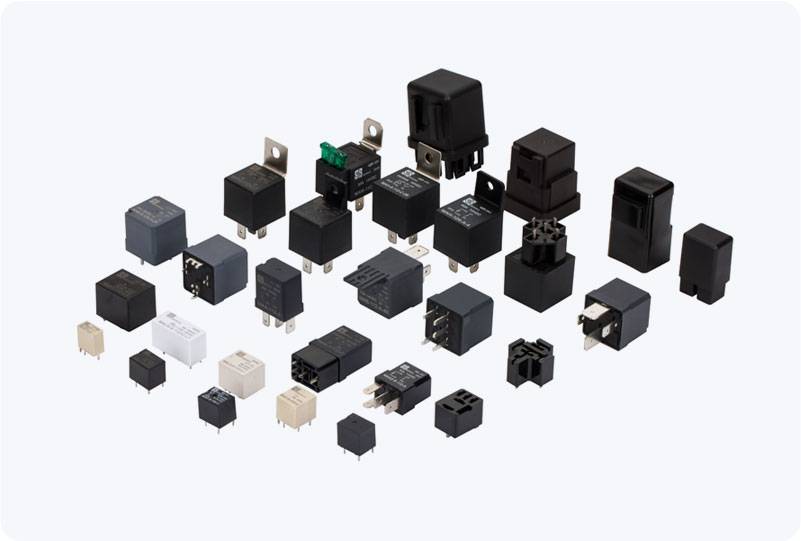
What is a Precharge Relay for EV?
A Precharge Relay is a key component in the powertrain of electric vehicles (EVs) that helps protect sensitive components like capacitors and contactors. It’s part of a precharge circuit, designed to manage the initial surge of electrical current when an EV is powered on. Without this circuit, the system could face substantial damage due to inrush current, a large burst of current that occurs when high-voltage systems are first connected.
The primary function of the precharge relay is to gradually charge the system’s capacitors, which are part of the high-voltage inverter, before fully connecting them to the battery. This process ensures that the capacitors charge to a level close to the battery voltage, significantly reducing the initial current surge when the main contactor (main relay) is closed.




 Chat Oline