latching relay for power systems: enhancing efficiency and reliability in electrical applications
Release time:2026-01-08 00:59:43
In modern electrical systems, effective control and management of power distribution are crucial for maintaining operational efficiency and safety. One component that plays a significant role in this context is the latching relay. Also known as a bistable relay, the latching relay is an electromechanical device that can maintain its armature position even when the power is turned off, making it an ideal choice for various power system applications. This article will explore the principles, advantages, and applications of latching relays in the realm of power systems.
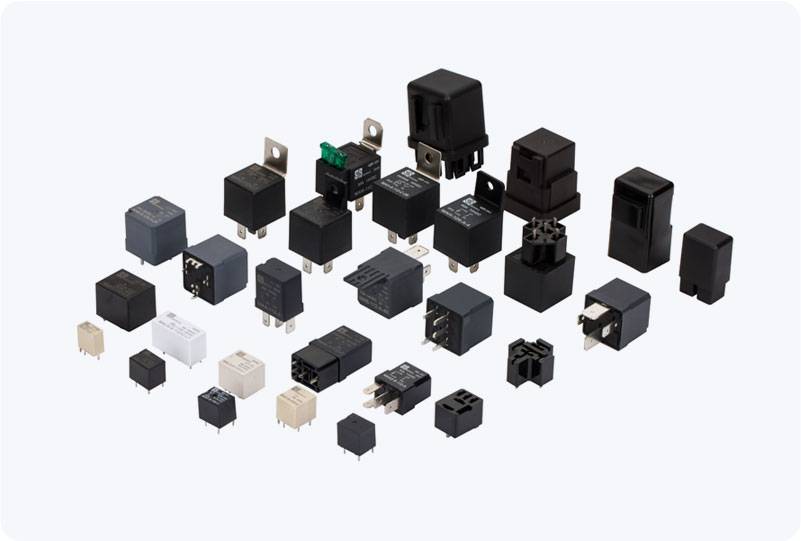
Understanding Latching Relays
The primary distinguishing feature of latching relays is their ability to "latch" onto a particular state after the application of a control pulse, which can be a current or voltage input. Unlike standard relays that require continuous power to maintain their position, latching relays only need a brief input to switch states. Most latching relays are designed with two coils: a set coil that switches the relay to the "on" state and a reset coil that returns it to the "off" state. This design allows them to conserve energy while maintaining their operational state, making them an attractive solution in energy-conscious applications.




 Chat Oline