understanding time relay: the key to precise timing control in automation
Release time:2026-01-08 02:05:14
Time relays are fundamental components in the world of automation, used to manage the time delays in electrical circuits. These devices offer precise control over how and when circuits activate or deactivate, providing both safety and efficiency in various applications. From household appliances to complex industrial systems, time relays play an integral role in ensuring smooth operations. This article explores the working principle, types, applications, and benefits of time relays in modern automation.
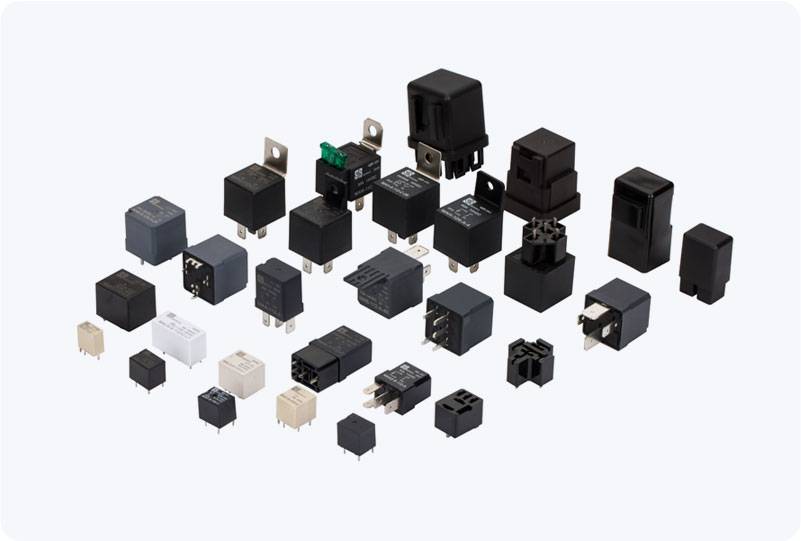
What is a Time Relay?
A time relay is an electrical device used to control the operation of circuits by introducing a time delay. It can either delay the start or stop of an electrical load, thus controlling when and how electrical systems operate. Time relays are typically used in systems where specific actions must occur after a predefined time interval, ensuring that operations are carried out in a controlled and organized manner.
The time relay's core function is simple: it delays the action of a switch or relay according to a preset time. This delay can be activated when the power is first supplied, or when the power is disconnected, depending on the application. The delay can range from a fraction of a second to several hours, depending on the specifications of the relay.




 Chat Oline