relay procurement guide: a comprehensive approach to choosing the right relay for your needs
Release time:2026-01-08 08:13:19
When it comes to ensuring the optimal performance and reliability of electrical systems, the choice of relays is crucial. Relays are electromechanical or solid-state devices used to control circuits by opening or closing contacts in response to an input signal. Whether you're working on industrial automation, automotive systems, or consumer electronics, understanding how to properly procure the right relay is essential. This Relay Procurement Guide aims to provide a detailed overview of the essential factors to consider when selecting and purchasing relays.
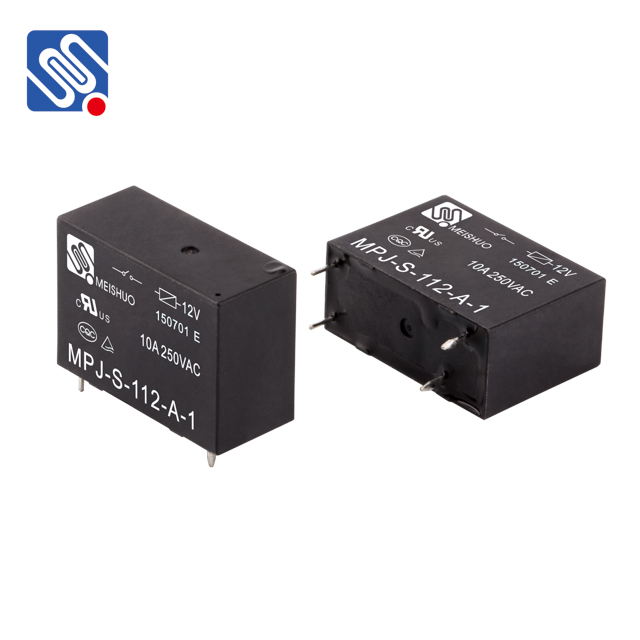
Understanding the Basics of Relays
Relays come in various types, including electromechanical, solid-state, thermal, and reed relays. Each type offers distinct advantages depending on the specific application. For instance, electromechanical relays are commonly used in power circuits, whereas solid-state relays are ideal for high-speed switching and where electromagnetic interference is a concern. Before diving into procurement, it's essential to understand which type suits your needs.
Key Considerations in Relay Procurement
Application and Environment One of the first steps in choosing the right relay is to determine the specific application and environmental conditions where it will be used. For example, industrial applications may require relays with high current ratings and resistance to harsh conditions like extreme temperatures, moisture, and vibration. It is essential to check the relay's environmental ratings, such as its IP (Ingress Protection) rating, which indicates its ability to withstand dust and water exposure.




 Chat Oline