relay circuit design: a comprehensive overview with a focus on meishuo
Release time:2026-01-08 13:18:05
Relay circuits are essential components in modern electronics and electrical systems, used for controlling large currents with small control signals. They serve as switches that open or close contacts when energized, enabling the automation and protection of electrical systems. One brand that has gained significant attention in the relay market is Meishuo. This article explores the fundamentals of relay circuit design, highlighting the features and advantages of Meishuo relays.
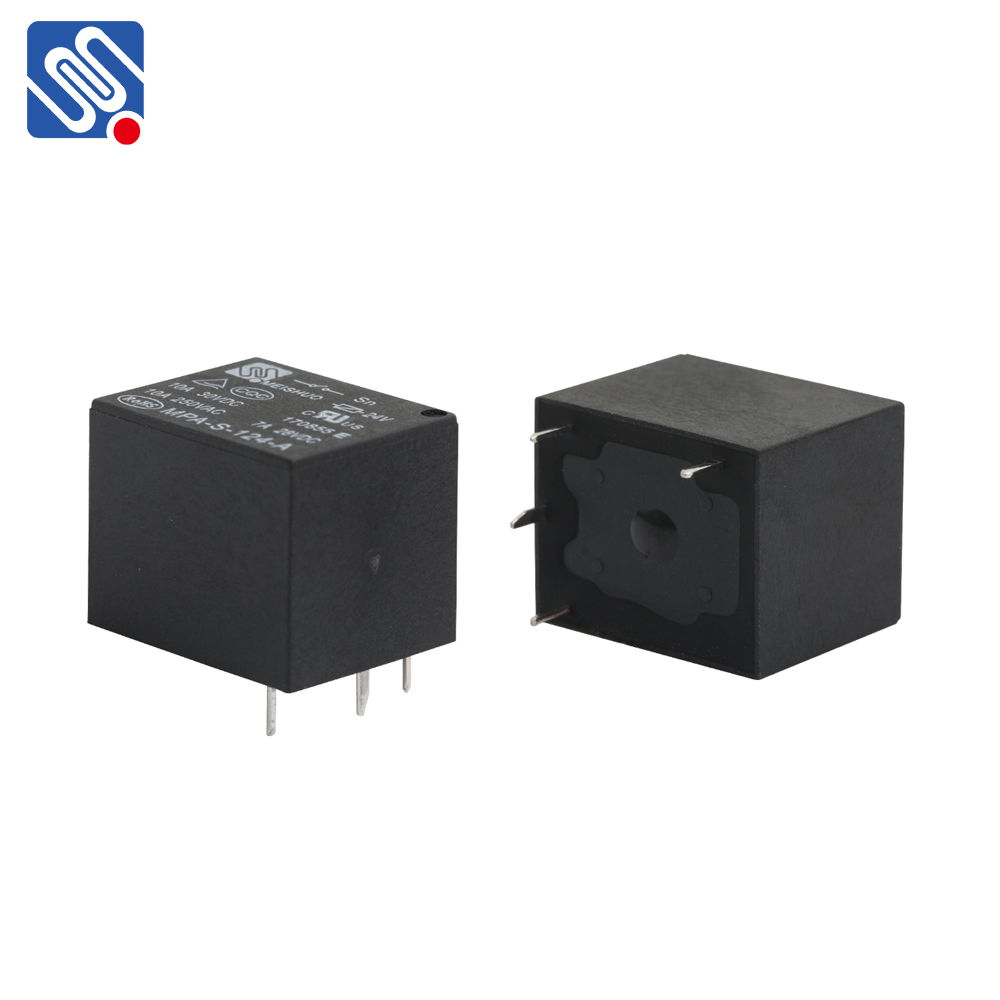
Understanding Relay Circuits
At its core, a relay is an electrically operated switch. It consists of a coil, an armature, contacts, and a spring. When an electric current passes through the coil, it generates a magnetic field that pulls the armature, causing the contacts to either close or open, depending on the type of relay. This action allows the relay to control larger loads with a much smaller control signal. The primary function of a relay is to isolate different parts of a circuit while ensuring smooth operation.
Relay circuits are commonly used in industrial automation, automotive applications, home appliances, and many other sectors. They provide a reliable method of controlling high-power devices, such as motors, lights, and heating elements, while ensuring the safety of low-power control circuits.
Next article:there is none left!
Return to List




 Chat Oline