understanding relay circuits: principles, applications, and benefits
Release time:2026-01-08 18:04:15
Relay circuits have become an integral part of modern electrical systems, providing a reliable method for controlling power to various devices. A relay is an electromechanical switch that uses an electromagnetic coil to open or close a circuit, allowing a low-power signal to control a high-power load. In this article, we will explore the principles of relay circuits, their various applications, and the benefits they offer in diverse fields.
Principles of Relay Circuits
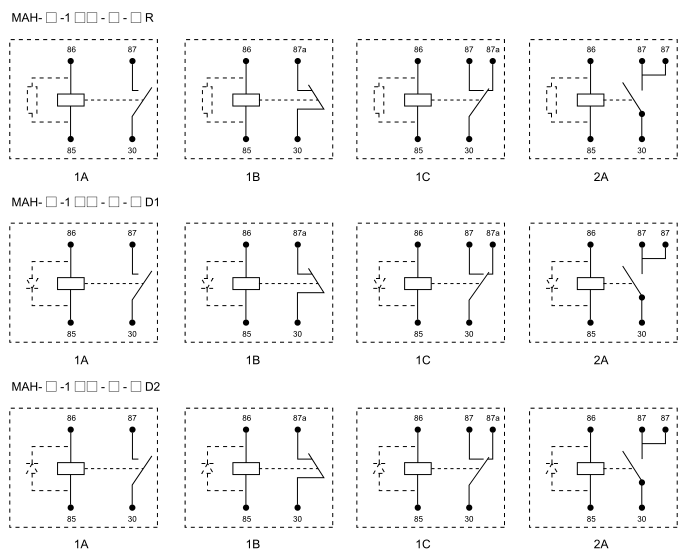
At the heart of every relay circuit is the relay itself. A typical electromechanical relay consists of several key components: a coil, an armature, a spring, and contact points. When electric current passes through the coil, it generates a magnetic field that attracts the armature, moving it against the tension of the spring. This movement either connects or disconnects the electrical contacts, thus controlling the flow of electricity in the circuit.
Relays can be classified primarily into two types: normally open (NO) and normally closed (NC). In a normally open relay, the contacts remain open when the relay is unpowered, and they close when the relay is energized. Conversely, in a normally closed relay, the contacts remain closed when the relay is unpowered, and they open upon energization. This allows for versatile configurations based on the specific control needs of a given application.




 Chat Oline