understanding power relay: key features and applications
Release time:2026-01-08 20:36:43
A power relay is a fundamental component in electrical and electronic systems, used for controlling high-power circuits with a low-power control signal. These relays play an essential role in various applications, from household appliances to industrial machinery. In this article, we will explore the key features, types, working principles, and common applications of power relays.
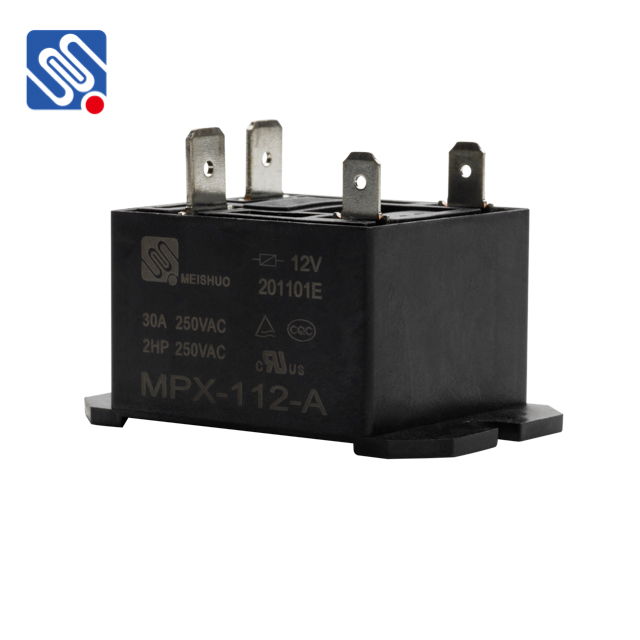
What is a Power Relay?
A power relay is an electrically operated switch that opens and closes under the control of an electric current or voltage. It typically consists of an electromagnet, contacts, and a spring mechanism. The primary function of a power relay is to control the switching of high-power circuits using low-power control signals, making it crucial in automation and control systems.
Key Features of Power Relays
High Switching Capacity: Power relays are designed to handle large currents and voltages, ranging from small domestic appliances to industrial equipment. They can switch AC or DC circuits and are built to withstand the demands of these high-power applications.




 Chat Oline