relay isolation: a crucial safety measure in electrical systems
Release time:2025-12-06 17:07:25
Relay isolation is a fundamental concept in electrical and electronic systems, providing a critical safeguard for separating circuits and ensuring the safe operation of sensitive components. This technique leverages the functionality of relays—electromechanical switches that can control the connection or disconnection of different parts of a circuit. Relay isolation serves as a barrier between control and power circuits, protecting control systems from electrical hazards like high voltage, current surges, or electromagnetic interference. This article explores the importance of relay isolation, its working principles, applications, and benefits in modern electrical systems.
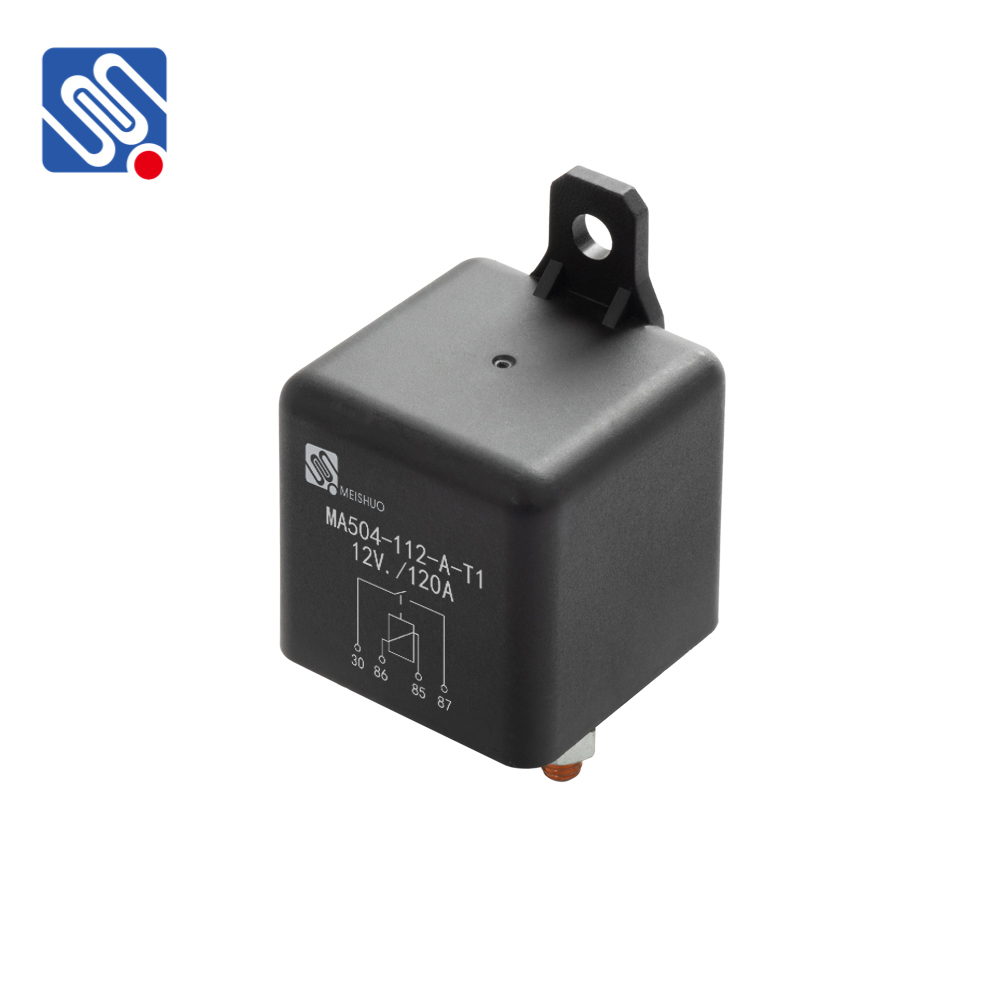
What is Relay Isolation? At its core, relay isolation refers to the separation of two electrically connected circuits using a relay. A relay typically consists of an electromagnet (the coil) and mechanical contacts (the switch). When the coil is energized, it generates a magnetic field that activates the switch, allowing current to flow through the circuit. When the coil is de-energized, the switch opens, interrupting the current flow. The key aspect of relay isolation is that the electrical control circuit is physically and electrically separated from the load or power circuit. This isolation ensures that the control side of the system is not directly exposed to the potentially harmful effects of high voltage, electrical surges, or excessive current.




 Chat Oline