understanding the importance of filtration system solenoid valve in fluid control systems
Release time:2026-01-10 06:42:44
Filtration systems are essential components in various industrial processes, from water treatment to oil and gas operations. The efficiency of these systems largely depends on the precision with which fluid flow is controlled. One of the key elements in regulating fluid flow within filtration systems is the Filtration System Solenoid Valve. This valve plays a vital role in managing the flow of liquids and gases, ensuring optimal filtration performance. In this article, we will explore the functionality, applications, benefits, and types of Filtration System Solenoid Valves, shedding light on their importance in modern industrial fluid control.
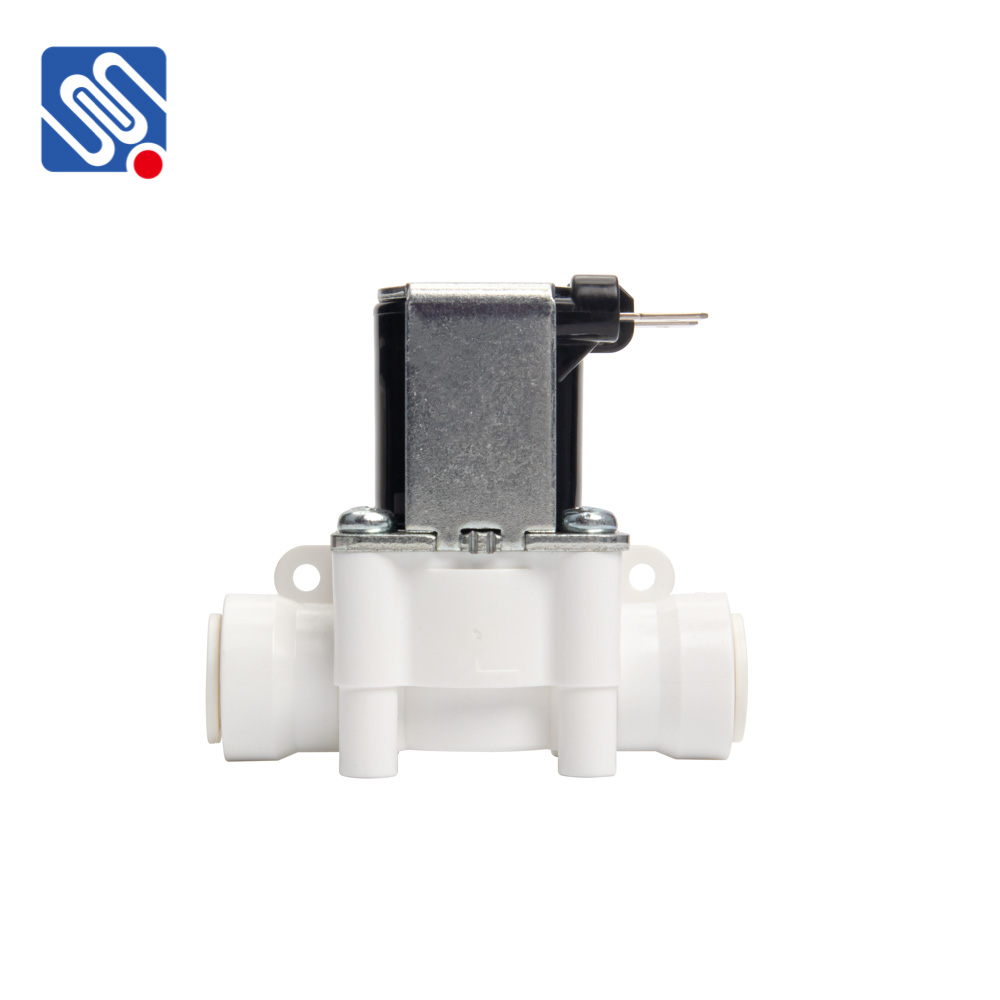
What is a Filtration System Solenoid Valve?
A Filtration System Solenoid Valve is an electrically controlled valve used to regulate the flow of fluids in filtration processes. It consists of a solenoid coil, an iron core, a valve body, and a sealing mechanism. When an electric current is passed through the solenoid coil, it generates a magnetic field that moves the iron core, opening or closing the valve. This mechanism enables the solenoid valve to control the flow of fluids with high precision, ensuring that the filtration system operates efficiently.
Unlike manual valves, which require physical effort to open or close, solenoid valves provide automatic control, making them more suitable for systems that require continuous or remotely controlled operation. This automation is especially beneficial in industries where the filtration process needs to be adjusted or maintained remotely or in real time.




 Chat Oline