understanding the 220v ac relay: applications, benefits, and key features
Release time:2026-01-10 16:03:45
The 220V AC relay is an essential component in many electrical and industrial systems, playing a critical role in controlling the flow of electricity within circuits. Widely used in both residential and industrial applications, relays provide an easy way to control high voltage systems with low voltage inputs. This article explores the key functions, applications, and advantages of using 220V AC relays, highlighting their importance in the safe and efficient operation of electrical systems.
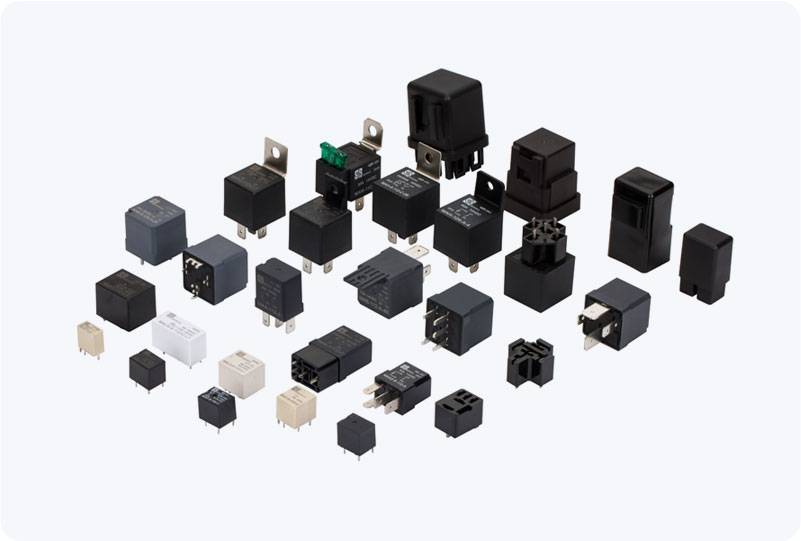
What is a 220V AC Relay?
A relay is an electrical device used to control the operation of a larger electrical circuit by using a small input signal. It operates by opening or closing electrical contacts within the circuit, which in turn allows or stops the flow of electricity. In the case of a 220V AC relay, it is designed to handle alternating current (AC) circuits that operate at 220V, a standard voltage in many parts of the world, especially in residential and industrial systems.
The relay consists of an electromagnet, a set of contacts (which can be normally open or normally closed), and a spring-loaded mechanism that helps control the opening and closing of the contacts. When an electrical current passes through the coil (electromagnet), it generates a magnetic field that either pulls or releases the contact points, enabling or disabling the current in the connected circuit.




 Chat Oline