understanding time delay relay: applications and working principles
Release time:2026-01-10 19:01:28
A Time Delay Relay (TDR) is a crucial component in modern electrical and automation systems, designed to introduce a time delay before activating or deactivating a circuit. This function is integral in various industries, including manufacturing, automotive, and home appliances. Time Delay Relays provide control over the timing of electrical circuits, allowing for precise and reliable operation when specific delays are necessary.
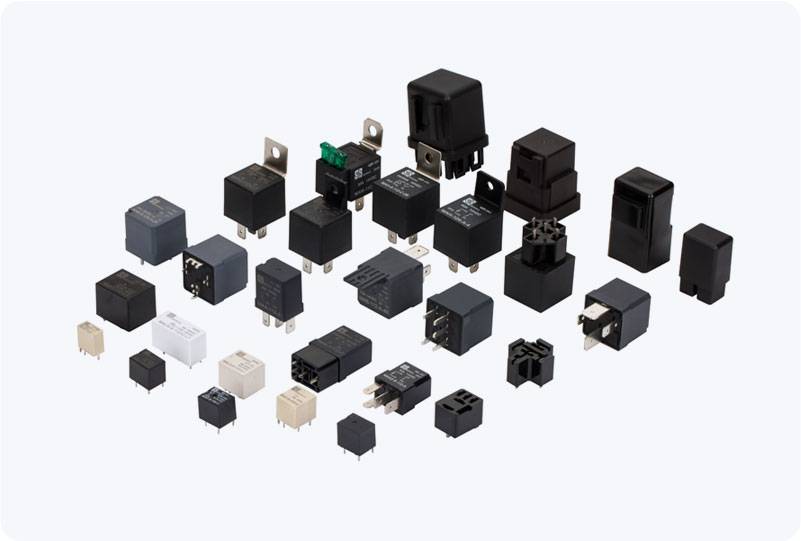
What is a Time Delay Relay?
A Time Delay Relay is an electromechanical device that, once activated, waits for a predetermined period before triggering an output action. This action can involve turning a circuit on or off, depending on the application requirements. The delay period can be adjusted according to the needs of the system, ensuring optimal performance in different scenarios.
The core mechanism of a Time Delay Relay involves a timing element such as an electric current, capacitor, or mechanical spring, which holds the relay in a "delayed" state before completing the action. The timing elements used in these devices can vary, allowing for different delay characteristics like fixed or adjustable delays.




 Chat Oline