understanding the direct acting solenoid valve: principles, applications, and benefits
Release time:2026-01-10 21:23:47
A Direct Acting Solenoid Valve is a type of valve used in fluid control systems, particularly for applications requiring precise control over gases, liquids, or steam. It operates by directly using the force of an electromagnet to move a valve core and open or close the valve. In this article, we will explore the principles behind its operation, its common applications, and the key benefits and limitations of using this type of solenoid valve in various industries.
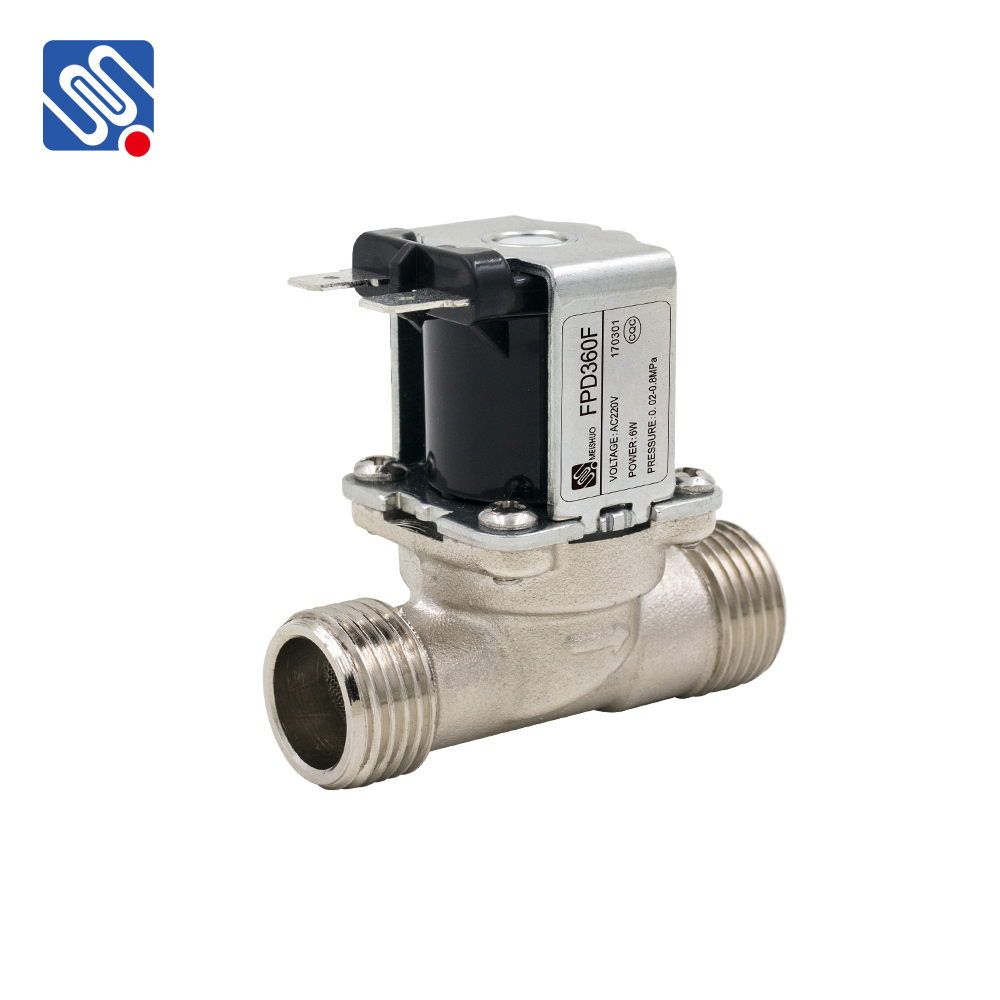
Working Principle of Direct Acting Solenoid Valve
The fundamental working principle of a Direct Acting Solenoid Valve involves a solenoid coil, which when energized creates a magnetic field. This magnetic field exerts a force on a plunger or valve core that either opens or closes a valve seat, allowing or stopping the flow of a fluid through the valve. Unlike other types of solenoid valves that rely on pilot pressure to function, direct-acting solenoid valves do not require any external pressure source to operate. The solenoid itself is enough to actuate the valve, making them particularly useful in low-pressure applications.




 Chat Oline