relay vs fuse in car: understanding their roles in automotive electrical systems
Release time:2026-01-10 21:46:36
In any modern vehicle, the electrical system is a crucial component that powers everything from the engine to entertainment systems. Within this complex network, two small yet incredibly important devices play a pivotal role in maintaining the car’s electrical efficiency and safety: relays and fuses. While both contribute to the smooth functioning of a car’s electrical system, they serve different, yet complementary, functions. In this article, we will explore the differences between relays and fuses in cars, highlighting their individual roles and why both are necessary for the safety and performance of your vehicle.
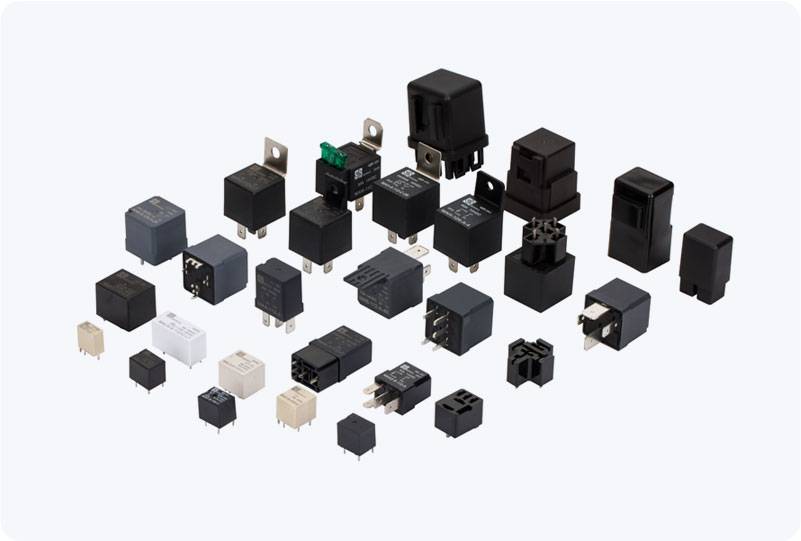
What is a Relay?
A relay is an electrical switch that allows a small current to control a much larger one. Relays are commonly used in automotive systems to manage high-power circuits using low-power signals. Essentially, a relay allows you to turn on or off components that require a lot of power, such as the starter motor, fuel pump, or headlights, without directly using a heavy-duty switch.
When you turn the key to start the engine, for example, a small current flows to the relay. The relay then uses this low-power signal to activate the starter motor, which requires a much larger current to function. This means that relays act as intermediaries between a low-power control system and high-power components, ensuring that the car’s circuits don’t have to directly carry the burden of the current required by these devices.




 Chat Oline