relay voltage rating: understanding the importance for safe and efficient operation
Release time:2026-01-13 11:18:23
In modern electrical systems, relays are crucial components used for switching electrical circuits on and off, either automatically or manually. Relays serve a wide range of purposes, from automotive applications to industrial control systems. However, one of the most vital aspects of selecting the right relay for an application is understanding the Relay Voltage Rating. This rating ensures that the relay can operate safely and efficiently, preventing system failures, damage, or even catastrophic events. In this article, we will explore the different types of relay voltage ratings, why they matter, and how to properly select a relay based on voltage considerations.
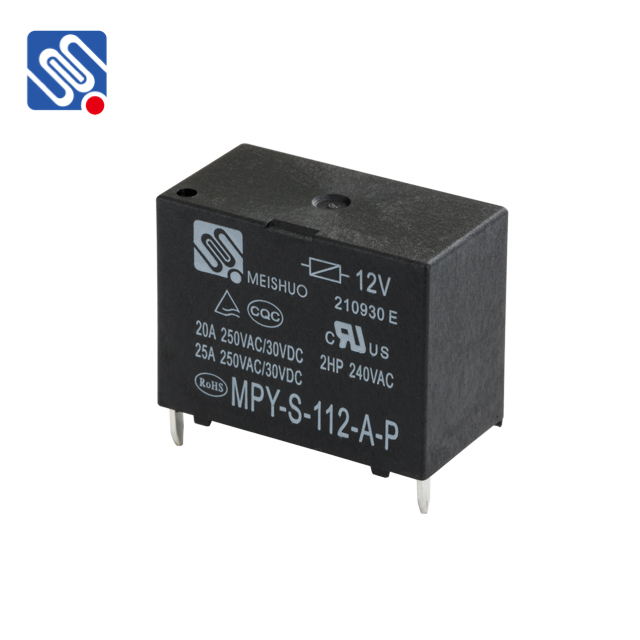
What is Relay Voltage Rating?
Relay voltage rating refers to the specified voltage values that a relay is designed to handle in different parts of its operation. These ratings are essential to determine whether the relay can function properly within a given electrical system without risking damage to itself or other components. There are two primary aspects to the relay voltage rating: the coil voltage rating and the contact voltage rating.
1. Coil Voltage Rating
The coil voltage rating indicates the voltage required to energize the relay’s coil, which in turn activates the relay’s internal switch. This is the voltage needed to produce a magnetic field in the coil, which pulls the relay's contacts into their intended positions. The coil voltage rating is critical because applying too high or too low a voltage can result in improper operation, including failure to energize or excessive heating, leading to possible coil burnout.




 Chat Oline