so 12100 safety relay: ensuring industrial safety in automated systems
Release time:2026-01-13 15:45:36
In today’s rapidly advancing industrial landscape, ensuring the safety of machines and personnel is of paramount importance. One of the key components in achieving this goal is the Safety Relay, a device designed to control hazardous systems and mitigate potential risks. A safety relay is a critical part of any automated system, as it ensures that machinery halts in emergency situations, minimizing the potential for accidents. A particularly important standard for the design and application of safety relays is the SO 12100 standard, which provides clear guidelines for creating safe control systems in industrial automation.
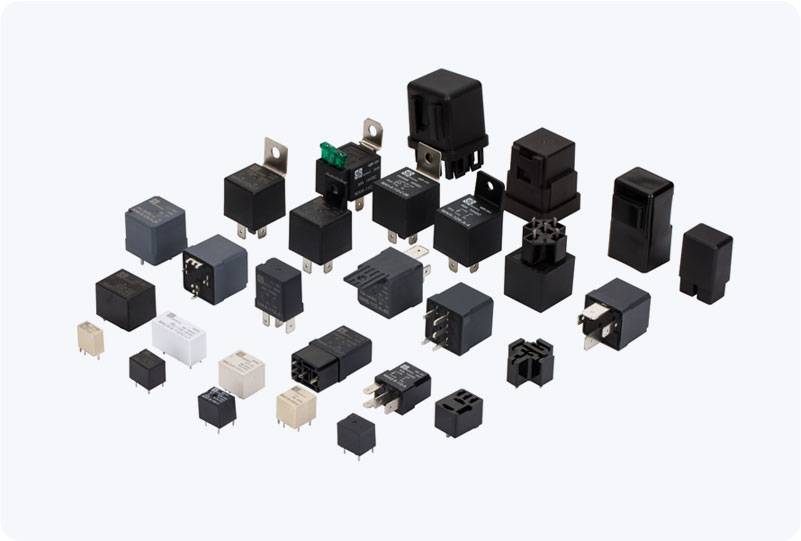
What is a Safety Relay?
A safety relay is an electrical device that ensures the safe operation of machinery by detecting faults or dangerous conditions and acting to shut down equipment when necessary. It is part of a broader safety system used in industrial automation to protect both workers and machinery. Safety relays are typically designed to respond to emergency stop requests, fault conditions, or other hazardous events by breaking the electrical circuit and stopping machine operation.
In modern industrial environments, machines often operate autonomously, and it is critical to have a reliable method for detecting dangerous malfunctions. Safety relays address this need by providing a fail-safe mechanism that can interrupt power to machinery if abnormal conditions are detected. By doing so, they ensure that operations are suspended before any further damage or injury can occur.




 Chat Oline