understanding relay drive: principles, applications, and benefits
Release time:2026-01-13 23:31:03
Relay drive systems play a crucial role in many modern electrical and electronic applications, offering efficient control of high-power devices with low-power signals. These systems are commonly used in automation, automotive electronics, home appliances, and embedded systems. In this article, we will delve into the principles of relay drives, explore their key applications, and discuss the advantages they bring to various industries.
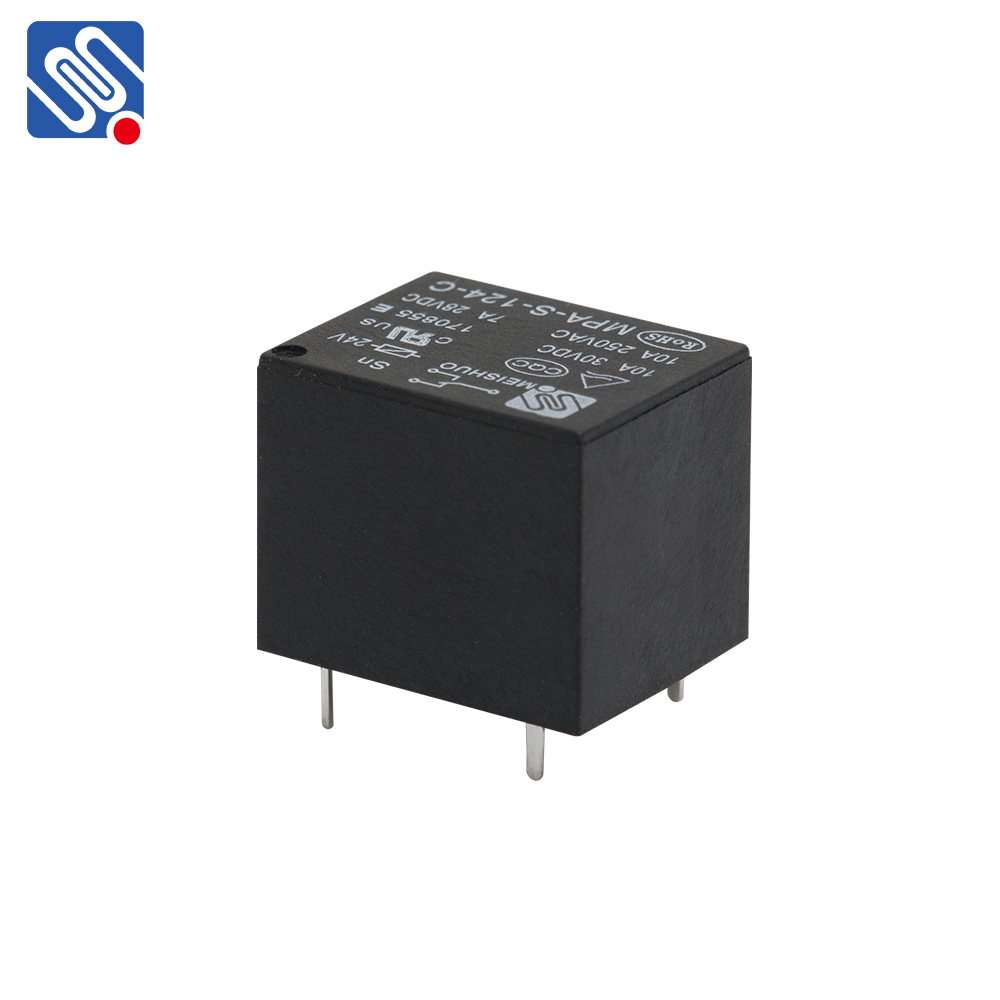
What is a Relay Drive?
A relay drive is a mechanism used to control electrical circuits via the use of a relay. A relay is an electrically operated switch that consists of a coil, contacts, and an armature. When a small current flows through the coil, it creates a magnetic field that pulls or releases the contacts, allowing or interrupting the flow of current to a connected load. This allows a low-power signal to control a high-power load, making relays ideal for various control applications.
The Working Principle of Relay Drive
Relay drives operate on a simple yet effective principle: using a control signal to activate the relay coil, which then switches the contacts to control the load. The process can be broken down into the following steps:




 Chat Oline