understanding flow control solenoid valve: mechanisms and applications
Release time:2026-01-13 23:42:37
Flow Control Solenoid Valves (FCSVs) play a critical role in various fluid control systems, offering precise management of fluid flow through electrical means. These valves are integral components in automation, HVAC systems, automotive applications, and many other industries. This article will delve into the mechanisms, types, applications, advantages, and maintenance considerations of flow control solenoid valves.
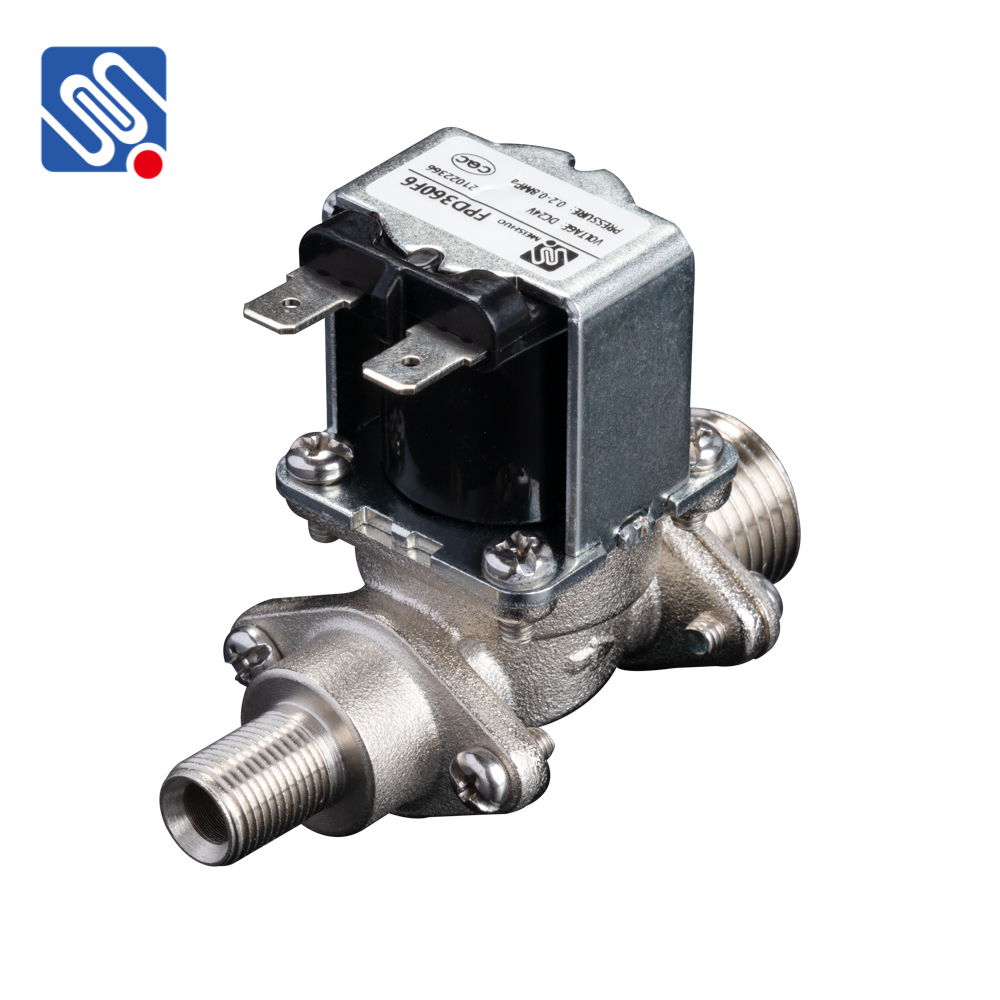
Mechanisms of Flow Control Solenoid Valves
At the heart of a flow control solenoid valve is its electromagnetic operation. When an electric current passes through the coil of the solenoid, it generates a magnetic field that moves a plunger within the valve. This movement opens or closes the valve, regulating the flow of fluids—whether gases or liquids—based on the electric input. The proportional control in certain designs allows the valve to adjust the aperture size, providing nuanced management of fluid flow rates.
Types of Flow Control Solenoid Valves
Flow control solenoid valves can be categorized into several types based on their operational principles:




 Chat Oline