high current power relay: an essential component for managing high-power circuits
Release time:2025-12-07 03:36:23
In today’s world, where the demand for high-power electrical devices continues to rise, the role of components that can control and manage these large currents becomes increasingly vital. The High Current Power Relay is one such crucial component, providing a reliable and efficient solution for switching high-power electrical circuits. These relays serve as the intermediary between low-power control systems and the high-power systems that require switching, ensuring smooth and safe operation.
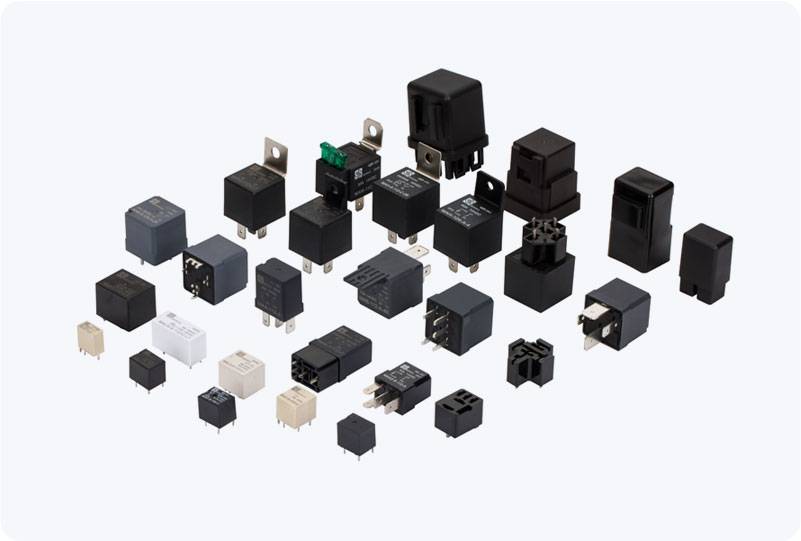
What is a High Current Power Relay? A High Current Power Relay is an electromagnetic device that opens or closes contacts to control the flow of large currents (typically above 10A) in an electrical circuit. Unlike regular relays, which are often designed for low-power applications, high-current power relays are engineered to handle significant electrical loads, sometimes reaching hundreds of amperes. These relays are used to manage devices that operate at high power levels, such as motors, industrial machinery, heating elements, and high-power lighting systems. These relays are controlled by a low-power signal, such as 5V or 12V, which triggers the relay’s coil. The coil, when energized, generates a magnetic field that either closes or opens the switch contacts, thus controlling the high-power circuit. This allows a low-power control system, like a microcontroller or automated system, to handle high-current applications without the need for heavy-duty switches or manual intervention.




 Chat Oline