understanding low voltage dc relay: applications and benefits
Release time:2026-01-15 10:47:05
A Low Voltage DC Relay is a vital electrical component used for controlling low voltage DC circuits, typically under 24V DC. This device works based on the principle of electromagnetism, and it allows for efficient switching of high-power circuits with a relatively small input. Relays are commonly used in various fields, including industrial automation, home appliances, automotive systems, and more, making them indispensable in modern electrical engineering.
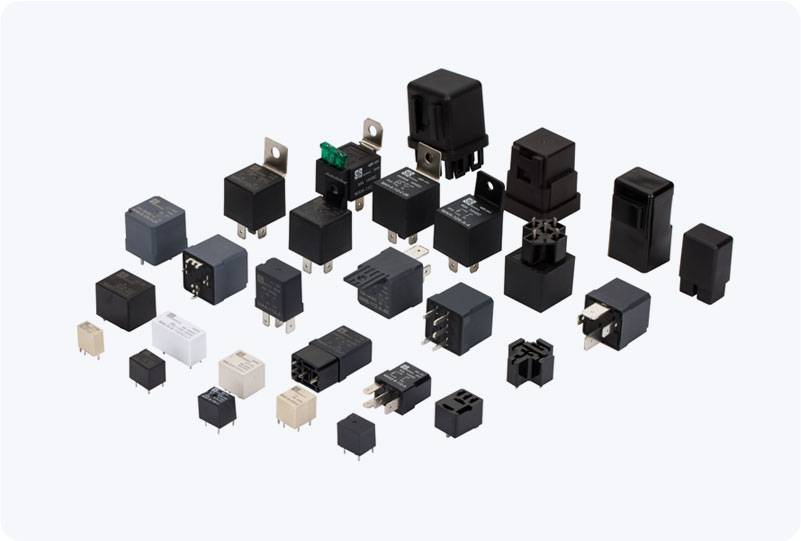
What is a Low Voltage DC Relay?
A Low Voltage DC Relay is an electromechanical switch that uses a low-voltage electrical signal to control the operation of a high-power circuit. It consists of a coil (electromagnet), an armature, and contacts that open or close depending on the activation of the coil. When current flows through the coil, it creates a magnetic field that attracts the armature, causing the contacts to change their state. This switching action enables the relay to control the flow of electricity in another circuit.
Key Components of a Low Voltage DC Relay
Electromagnetic Coil: The heart of the relay is the coil. When a low-voltage DC current is applied to the coil, it generates a magnetic field. This magnetic field is responsible for moving the armature, which in turn switches the relay's contacts.




 Chat Oline