understanding normally open solenoid valve: principles, applications, and benefits
Release time:2025-12-07 06:32:34
A Normally Open (NO) Solenoid Valve is a vital component in modern fluid and gas control systems. It plays an essential role in regulating the flow of fluids or gases in various industries, from manufacturing to water treatment. This article delves into the working principles of NO solenoid valves, their applications, and the advantages they offer in numerous industrial and residential settings.
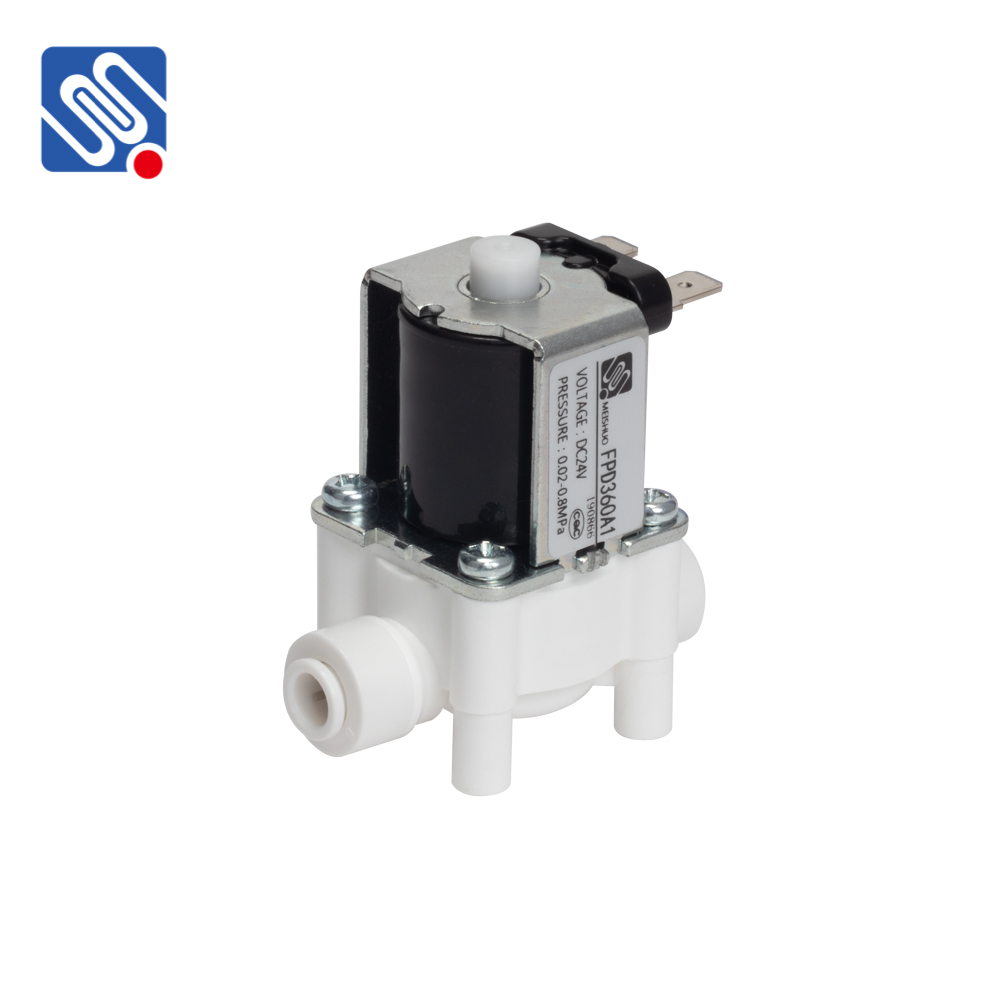
What is a Normally Open Solenoid Valve? A solenoid valve is an electromechanical valve that controls the flow of a medium (liquid or gas) by using a solenoid coil. The term “Normally Open” refers to the default position of the valve when there is no electrical power supplied to the solenoid. In this state, the valve remains open, allowing the flow of the medium through the valve. When power is applied to the solenoid coil, it creates a magnetic field that activates the valve to close, blocking the flow. How Does a Normally Open Solenoid Valve Work? The operation of an NO solenoid valve is straightforward yet effective. When the solenoid valve is in its resting (unpowered) state, the valve’s plunger or diaphragm is in the "open" position. This means that the fluid or gas can pass through the valve freely.




 Chat Oline