understanding normally open solenoid valve: functionality, applications, and benefits
Release time:2026-01-16 17:16:35
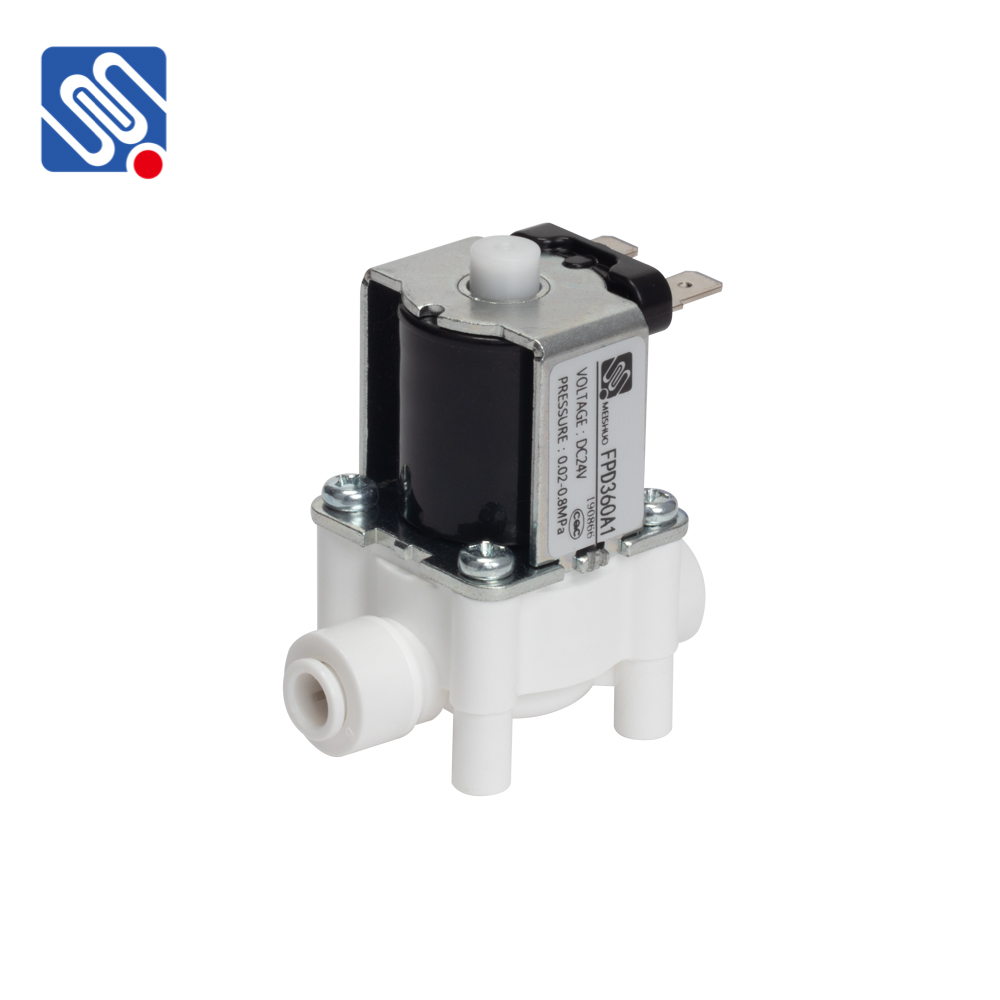
A Normally Open Solenoid Valve (NOSV) is an essential component in numerous industrial and commercial applications, designed to control the flow of fluids—whether they are gases or liquids. Unlike Normally Closed valves, which prohibit flow until energized, Normally Open solenoid valves remain open until electrical current activates the solenoid coil, closing the valve. This functionality is crucial in various fields, particularly in automation, irrigation, and fluid handling systems.
How It Works
The operation of a Normally Open Solenoid Valve is relatively straightforward. The valve comprises several essential components: a solenoid coil, a valve body, a plunger or diaphragm, and a spring. When the valve is not energized, the spring keeps the plunger or diaphragm in a position that allows fluid to flow freely through the valve.
Upon electrifying the solenoid coil, a magnetic field is generated, which pulls the plunger or diaphragm downwards, effectively sealing the valve and stopping the flow of fluid. As soon as the electrical current is cut off, the spring returns the plunger or diaphragm to its original position, reopening the valve and reinstating the flow.
Next article:there is none left!
Return to List




 Chat Oline