solid state relay: the future of reliable and efficient switching
Release time:2025-12-07 08:14:42
Solid State Relays (SSRs) are revolutionizing the way electrical systems are controlled. Unlike traditional mechanical relays, SSRs utilize semiconductor technology to perform switching operations without moving parts. This article explores the fundamentals, advantages, disadvantages, and applications of SSRs, showcasing why they are increasingly favored in various industries.
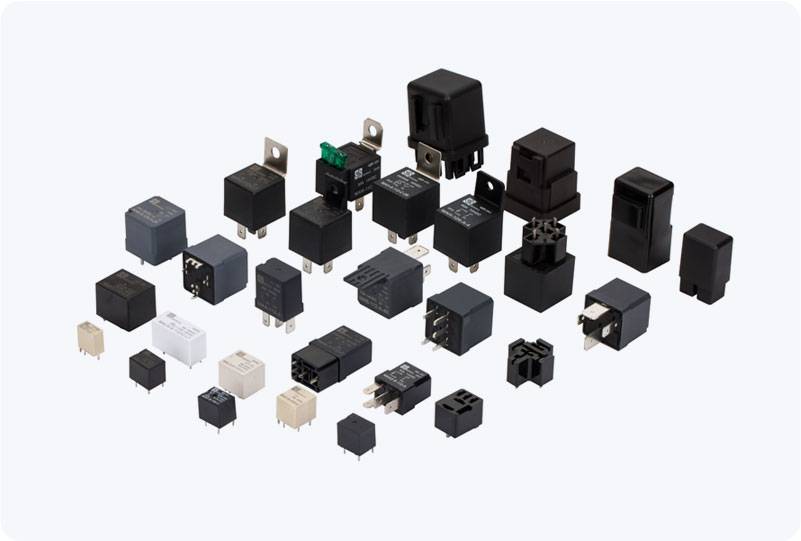
What is a Solid State Relay? A Solid State Relay is an electronic switching device that uses semiconductor components, such as triacs, thyristors, or MOSFETs, to switch electrical loads on and off. SSRs do not have any mechanical components, which distinguishes them from conventional relays. Instead, the switching action is achieved through the flow of current in a semiconductor material, providing a much more durable and reliable alternative to traditional relays. The control circuit of an SSR typically accepts low-voltage DC input (e.g., 3-32V DC), which triggers the semiconductor to activate the output, controlling higher-power AC or DC loads.




 Chat Oline