understanding relay connectors: the backbone of electrical control systems
Release time:2026-01-17 04:40:41
In the realm of electrical engineering, the function and reliability of connections between circuits are paramount. Among the various types of connectors that facilitate these connections, relay connectors stand out as crucial components in modern control systems. They serve an integral role in switching high power and controlling various electrical devices, making them indispensable in both industrial and automotive applications.
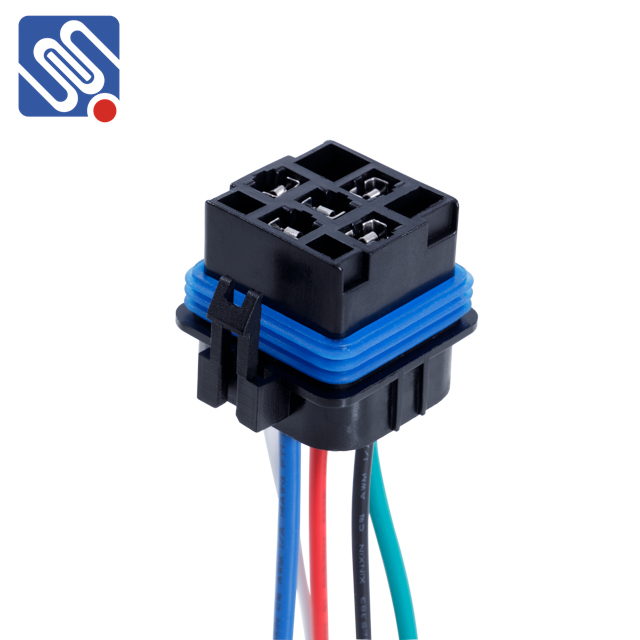
What are Relay Connectors?
Relay connectors are specialized components designed to facilitate the connection and operation of relays, which are electromagnetic switches. At their core, relays allow a low-voltage circuit to control a high-voltage circuit, achieving electrical isolation between the control and the load circuits. This isolation not only protects sensitive components from high voltages or currents but also enhances the overall safety and efficiency of electrical systems.
How Relay Connectors Work
The operation of relay connectors is based on electromagnetic principles. When a small current flows through the coil of a relay, it generates a magnetic field that actuates an armature, resulting in the opening or closing of contacts within the relay. This process enables a low-power signal to switch a high-power load on and off. Relay connectors play a vital role in establishing a secure and reliable link between the relay terminals and the rest of the circuitry.




 Chat Oline