understanding the so 280 relay socket: a key component in electrical connections
Release time:2026-01-17 14:56:50
The SO 280 relay socket is an essential hardware component used in a wide array of electrical systems and applications, ranging from industrial automation to consumer electronics. This relay socket serves as a crucial interface for connecting relays to electrical circuits, offering benefits of convenience, reliability, and efficiency. In this article, we will delve into the characteristics, functionalities, applications, and considerations associated with the SO 280 relay socket.
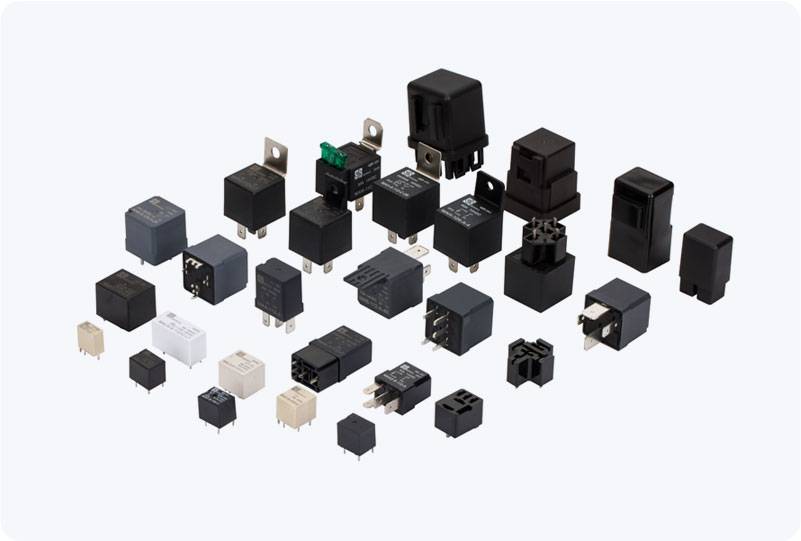
Overview and Specifications
The SO 280 relay socket is specifically designed to accommodate relays having a footprint of 28mm in width, which is standard among many relays used in various applications. This standardized dimension facilitates compatibility not only across a range of relay types but also aids in the design of electrical panels, making installations more streamlined.
Typically, the SO 280 relay socket comes with several pins corresponding to the relay terminals, allowing for easy and secure connections. The construction usually involves a robust plastic housing designed to withstand thermal and mechanical stresses, thus ensuring long-term durability. The socket’s connection points are made from conductive materials such as copper, often plated with nickel or gold to enhance conductivity and prevent corrosion.
Next article:there is none left!
Return to List




 Chat Oline