understanding relay circuit design: principles and applications
Release time:2026-01-17 21:02:01
Relay circuits are fundamental components within various electrical systems, allowing the control of a circuit by a low-power signal or the direct control of multiple circuits by one signal. This article explores the principles, design considerations, and applications of relay circuit design, providing a comprehensive understanding that can be useful for both hobbyists and professionals in the field.
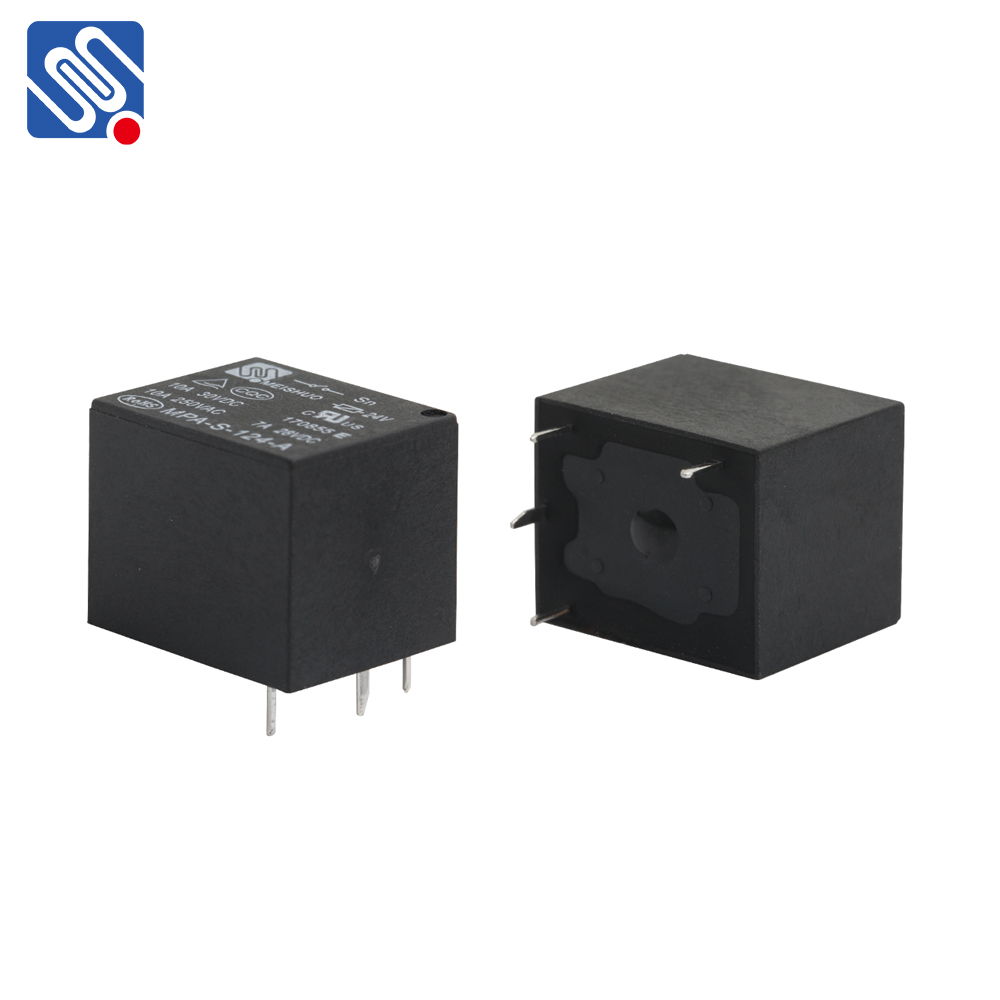
What is a Relay?
A relay is an electromechanical switch that uses an electromagnetic coil to open or close contacts to control a circuit. The primary function of a relay is to enable the control of a high-power device through a low-power signal, which is particularly useful in automation, control systems, and protection circuits.
Working Principle
The working principle of a relay is relatively simple. When an electric current passes through the coil of the relay, it generates a magnetic field that attracts a movable armature. This movement either closes or opens the contacts, changing the state of the controlled circuit. Relay circuits can be configured in several ways, usually categorized as normally open (NO) or normally closed (NC). NO relays complete the circuit when energized, while NC relays break the circuit under the same conditions.




 Chat Oline