understanding circuit breaker relay: the guardian of electrical systems
Release time:2026-01-18 01:48:35
In today's technologically driven world, the significance of reliable and efficient electrical systems cannot be overstated. Among the various protective devices utilized in electrical engineering, the Circuit Breaker Relay stands out as one of the most essential. This device not only safeguards equipment but also plays a crucial role in ensuring the safety of personnel. In this article, we will delve into the workings, types, applications, and benefits of Circuit Breaker Relays.
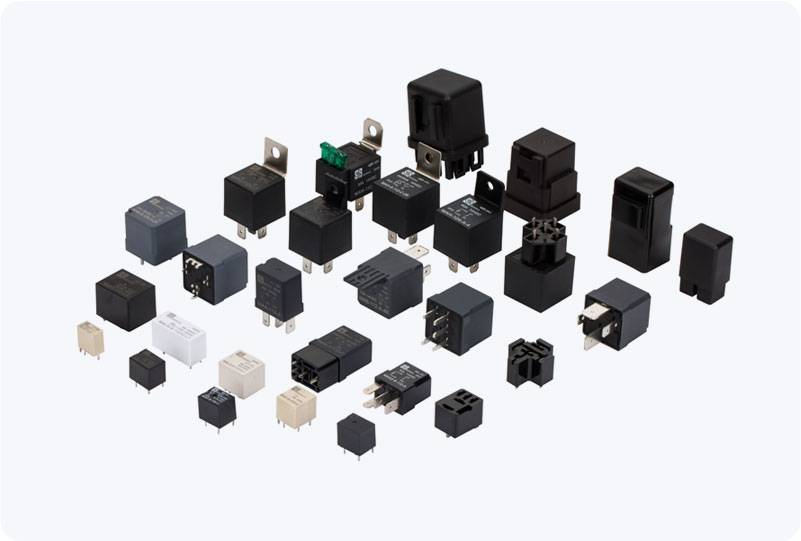
What is a Circuit Breaker Relay?
A Circuit Breaker Relay is an electromechanical device designed to monitor electrical circuits and protect them from faults such as overloads and short circuits. Traditionally, circuit protection was achieved using fuses, which had to be replaced after they blew. However, Circuit Breaker Relays provide a more advanced solution by allowing for automatic disconnection of power in case of anomalies, thereby enhancing system reliability and safety.
Working Principle
The operation of a Circuit Breaker Relay revolves around its ability to detect irregularities in current flow. When electrical current exceeds a predefined limit, the relay is triggered. It consists of a sensing mechanism that continuously monitors the current and voltage in the circuit, often employing thermal or magnetic mechanisms for this purpose. Upon detecting a fault, the relay activates an actuator mechanism to open the circuit, thus averting potential damage to connected devices and preventing hazardous conditions.




 Chat Oline