understanding the role and functionality of the starter motor relay
Release time:2026-01-18 07:16:26
The starter motor relay is a crucial component in a vehicle’s starting system, playing an indispensable role in ensuring smooth engine startup. Although it may not often be discussed in basic car maintenance guides, understanding how the starter motor relay works can help vehicle owners and technicians identify and troubleshoot potential starting issues. This article aims to delve into the significance, operation, and common problems associated with the starter motor relay.
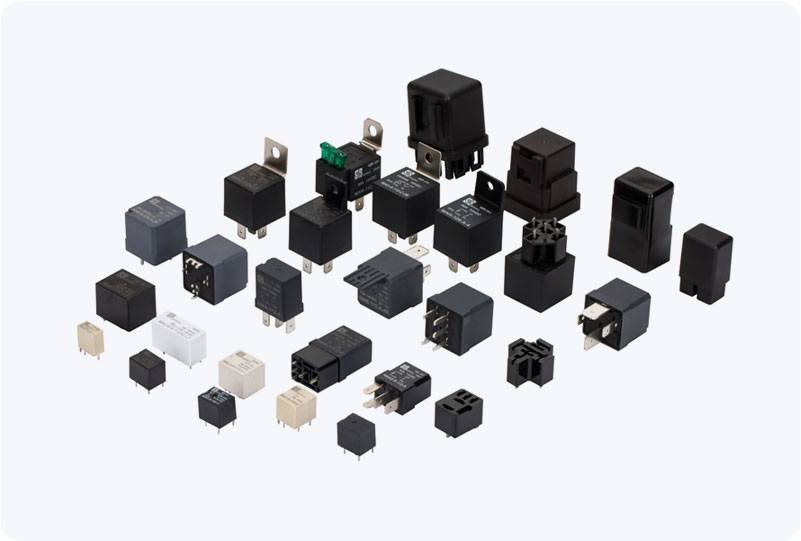
What is a Starter Motor Relay?
A starter motor relay, also known as a starter solenoid or a starter relay, is an electrical switch that connects the vehicle’s battery to the starter motor. This small yet powerful component is responsible for managing the flow of electricity required to start the engine. When the ignition key is turned, the relay sends high-current power to the starter motor, which in turn begins the process of turning over the engine and starting the vehicle.
How Does a Starter Motor Relay Work?
The starter motor relay operates through an electromagnet. When you turn the ignition key, a low-voltage current flows through the ignition switch to the relay. This triggers the electromagnetic coil within the relay, which then pulls a metal plunger or lever, closing the relay’s internal contacts. Once these contacts are closed, they complete the circuit between the battery and the starter motor, allowing the high-current voltage to flow through and power the starter motor.




 Chat Oline