new energy vehicle relay: a key component in the future of automotive electrification
Release time:2025-12-07 13:58:45
The automotive industry is undergoing a significant transformation with the rise of electric vehicles (EVs) and hybrid vehicles (HEVs). Central to this transformation are components that ensure the safe and efficient operation of electric drivetrains, battery systems, and charging systems. One such crucial component is the New Energy Vehicle Relay. These relays are designed to manage and control the high-voltage electrical systems in these vehicles, ensuring that they operate safely, efficiently, and reliably. This article explores the role of New Energy Vehicle Relays, their design considerations, and their importance in the development of modern electric vehicles.
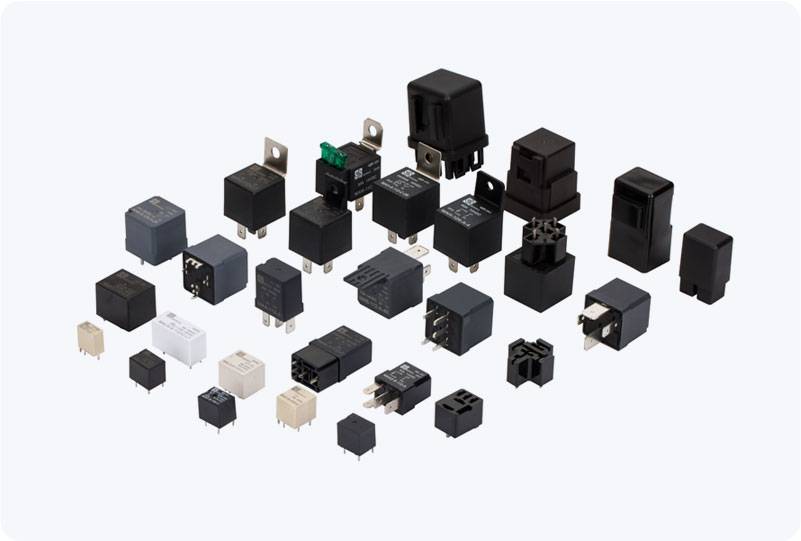
What is a New Energy Vehicle Relay? A New Energy Vehicle Relay is an electrical switch that controls the flow of current in high-voltage circuits, commonly used in electric and hybrid vehicles. The relay is responsible for controlling key systems such as the battery, electric motor, and charging system, making it an essential part of the vehicle's electrical architecture. Relays in electric vehicles are designed to handle significantly higher voltages and currents than those in traditional internal combustion engine (ICE) vehicles. Key Functions of New Energy Vehicle Relays Battery Management: The primary function of relays in new energy vehicles is to manage the battery's connection to the vehicle's powertrain and charging system. These relays control when and how electricity flows to and from the battery, ensuring efficient charging and discharging cycles while protecting the battery from overvoltage or overcurrent conditions.




 Chat Oline