automotive relay for headlights: the unsung hero in car lighting systems
Release time:2026-01-18 18:57:23
Automotive lighting systems have evolved significantly over the years, and one of the key components that help power the modern car’s headlights efficiently and safely is the Automotive relay for headlights. This small but essential device plays a crucial role in managing the electrical flow to high-power components like headlights, ensuring both functionality and safety in vehicles. Despite its importance, the Automotive relay often goes unnoticed by most car owners and drivers. In this article, we will explore the function, types, and advantages of Automotive relays for headlights, highlighting why they are indispensable in modern automotive electrical systems.
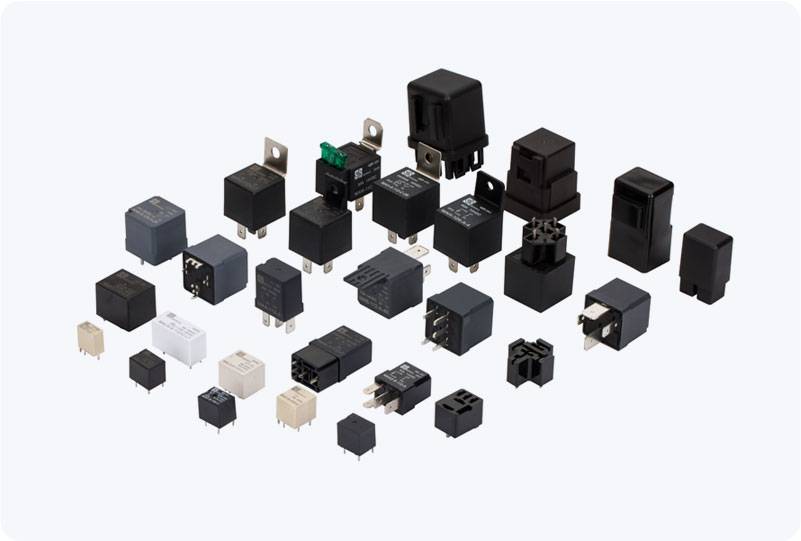
What is an Automotive Relay?
An automotive relay is an electromechanical device used to control the flow of electrical current within a circuit. It acts as a switch that allows a low-power electrical signal to control a high-power component. In the case of headlights, the relay helps in regulating the current that powers the vehicle’s lighting system. By using a relay, the vehicle's headlight switch can control the relay’s coil, which in turn activates or deactivates the higher current required for the headlights to function. The relay thus prevents the switch from handling excessive power, thereby prolonging its lifespan and ensuring safer operation.




 Chat Oline