understanding the 12v 60a relay: a critical component in high-power applications
Release time:2026-01-19 05:38:59
The 12V 60A relay is a vital component in various electrical and electronic applications. This electromagnetic switch allows a low-voltage circuit to control a high-voltage circuit, thereby safeguarding sensitive components while managing larger loads. From automotive systems to industrial machinery, the 12V 60A relay is instrumental in enhancing the functionality and safety of many devices. In this article, we will explore the working principles, applications, advantages, and considerations associated with the 12V 60A relay.
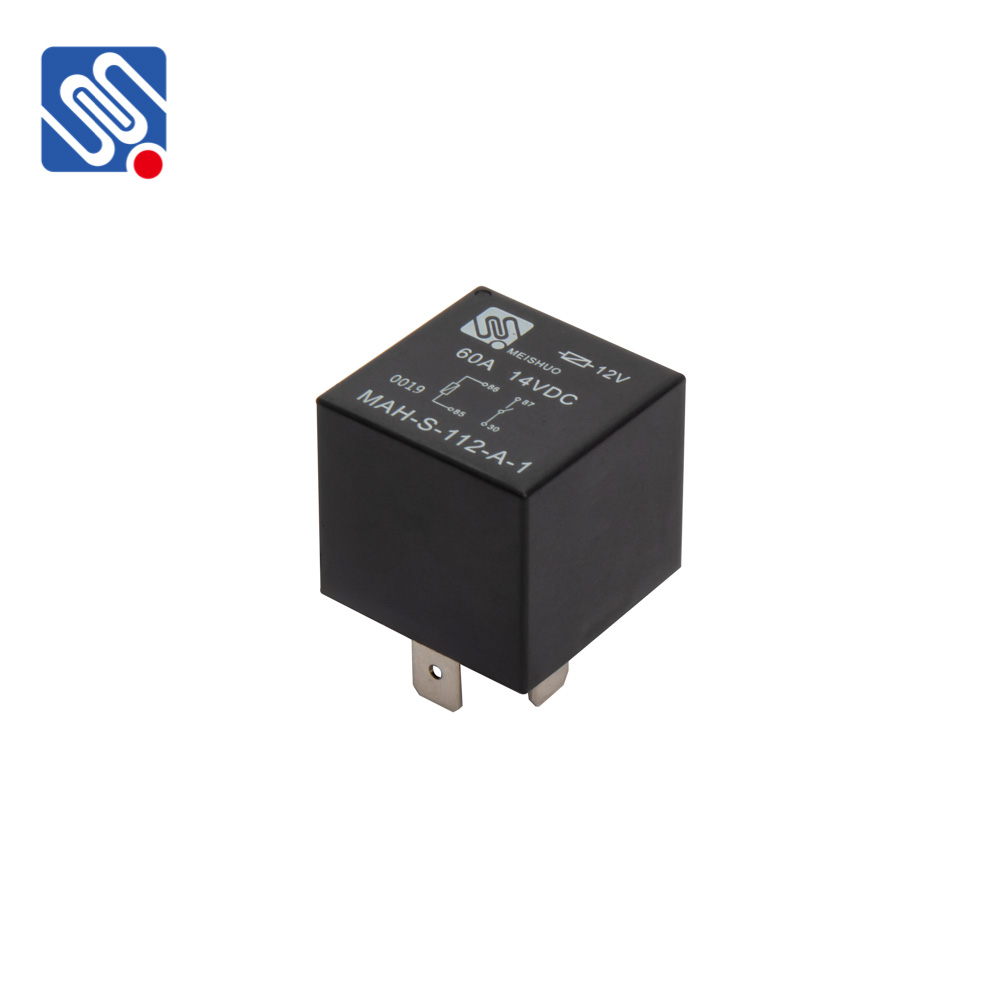
Working Principle
At its core, a relay is an electromechanical switch. The primary function of the 12V 60A relay is to use a small control signal to manage a larger electrical load. The relay contains an electromagnet, a set of contacts, and an armature. When a 12V signal is applied to the coil of the relay, an electromagnetic field is generated, which attracts the armature. This movement either closes or opens the contacts, consequently allowing or interrupting the flow of electricity in a separate circuit.
The contacts can generally be classified into two types: Normally Open (NO) and Normally Closed (NC). In an NO configuration, the contacts are open when the relay is inactive, allowing no current to flow. When the relay is energized, the contacts close, completing the circuit. Conversely, in an NC configuration, the contacts are closed when the relay is inactive, allowing current to flow. Energizing the relay opens the contacts and interrupts the current flow. This functionality makes the 12V 60A relay versatile for controlling various types of devices and applications.




 Chat Oline