understanding ac solenoid valve: function, applications, and selection criteria
Release time:2026-01-19 18:13:16
An AC solenoid valve is an essential component in various industrial and residential applications, primarily used to control the flow of fluids, including gases and liquids. Leveraging electromagnetic principles, the AC solenoid valve operates by converting electrical energy into mechanical motion, enabling efficient and precise control over fluid dynamics. This article delves into the functionality, applications, and selection criteria for AC solenoid valves.
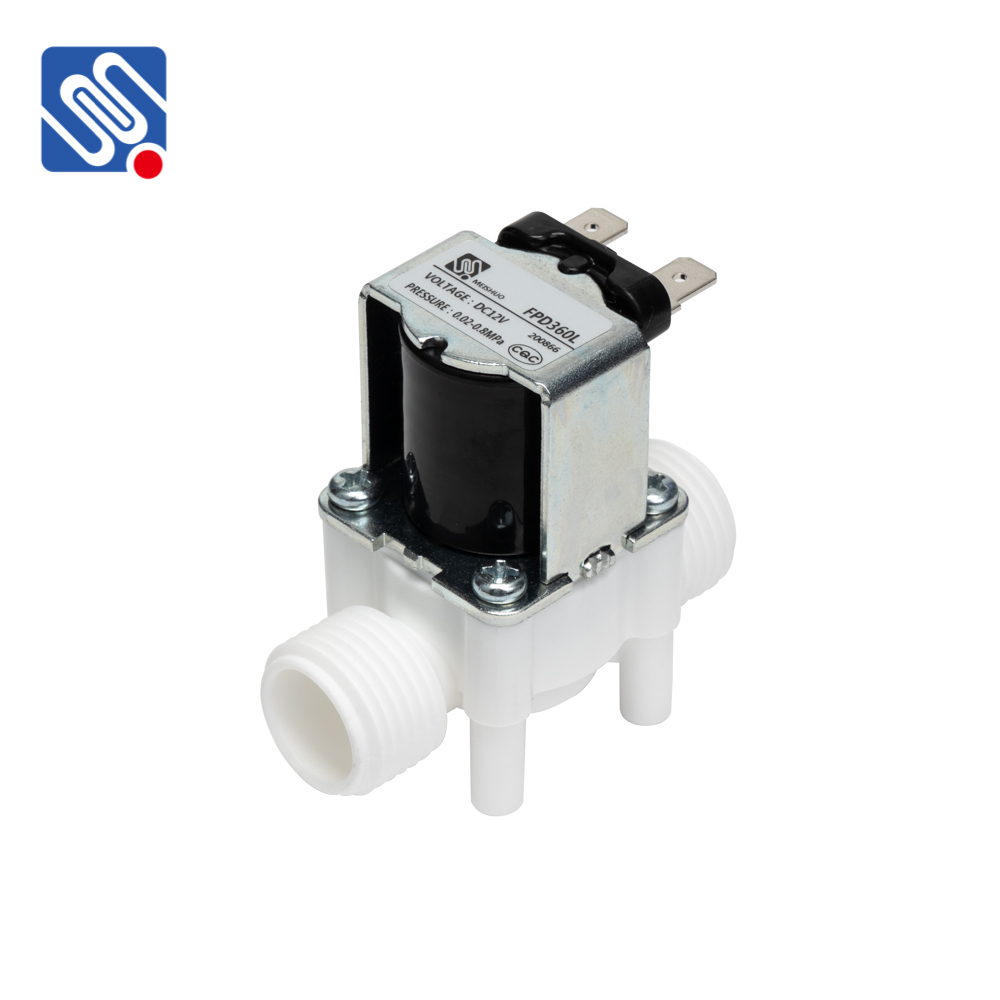
Functionality of AC Solenoid Valves
At its core, an AC solenoid valve consists of several key components: an electromagnetic coil, a valve body, a piston or armature, and a valve seat. The principle of operation is relatively straightforward:
Electromagnetic Coil: When an alternating current flows through the coil, it generates a magnetic field.
Magnetic Actuation: The magnetic field attracts a piston or armature, causing it to move. This movement either opens or closes the valve seat, enabling or obstructing the flow of fluid.
Versatile Control: AC solenoid valves can be categorized as normally open or normally closed, depending on the design and application needs. In normally closed valves, the flow is stopped when the coil is de-energized, while normally open valves allow flow until activated.




 Chat Oline