understanding industrial timer relay: a key component in automation
Release time:2026-01-20 04:52:01
In the realm of industrial automation, the Industrial Timer Relay stands out as a crucial component that enhances control, precision, and efficiency in various operational processes. With the growing complexity of industrial systems and the need for precise timing in operations, these devices have become indispensable in numerous applications ranging from manufacturing to traffic management. This article aims to provide an in-depth understanding of Industrial Timer Relays, their working principles, types, applications, advantages, and considerations for selection and maintenance.
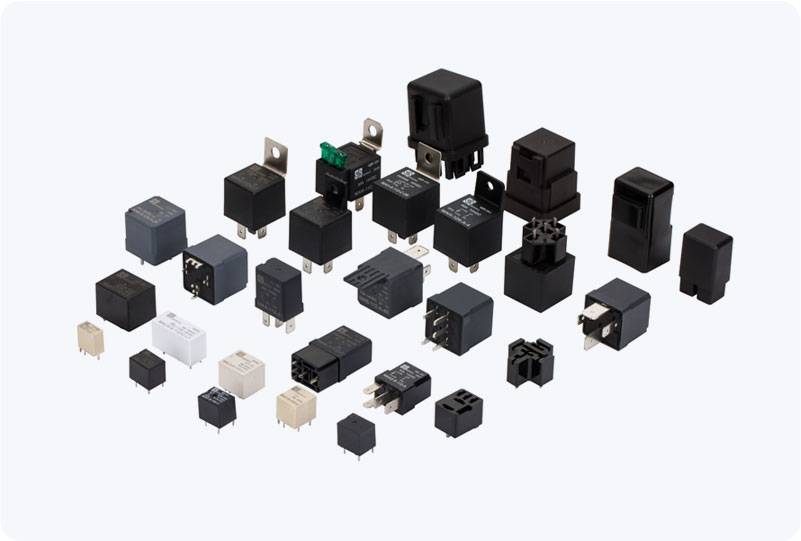
What is an Industrial Timer Relay?
An Industrial Timer Relay is an electronic device that controls the operation of a circuit based on elapsed time. It functions by initiating a time delay before activating or deactivating a connected load, such as motors, lights, or other machinery. The timer relay receives input signals, typically from sensors or switches, and uses a preset timing mechanism to control output actions.
Working Principle
The operation of an Industrial Timer Relay is relatively straightforward. It begins with input signals—these could be a momentary push button, a switch closure, or a sensor reading. Once activated, the timer starts counting down the preset duration. After the countdown is complete, the relay toggles its output state, which in turn manages the connected device.




 Chat Oline