understanding relay parameters: key factors for reliable automation control
Release time:2026-01-20 08:51:03
Relays are crucial components in modern electrical systems and automation controls, enabling the switching of circuits with low control power. These electromechanical devices help automate processes and protect circuits in various industrial, automotive, and residential applications. One essential aspect of utilizing relays effectively is understanding their Relay Parameters, which dictate their behavior, reliability, and efficiency. In this article, we will explore the key relay parameters that engineers and technicians need to understand when working with relays.
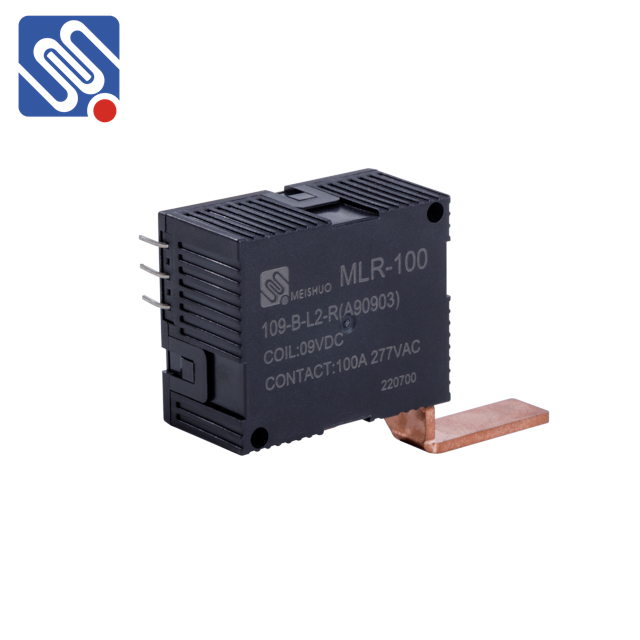
1. Trigger Condition
The trigger condition defines the specific electrical values or events that cause a relay to activate or deactivate. Relays can be activated by a variety of conditions, such as a specific voltage level, current threshold, or a combination of both. The trigger condition is a critical parameter because it ensures that the relay only operates when needed. For instance, a relay might be set to activate when the input voltage exceeds 12V or when the current reaches a particular threshold. Understanding this parameter is essential to ensuring the relay operates as expected within a system.




 Chat Oline