understanding relay current rating: key factors and considerations
Release time:2025-12-07 20:29:15
Relays are essential components in modern electrical systems, commonly used to control high-voltage or high-current circuits with a low-voltage control signal. One of the most critical specifications of a relay is its current rating. The relay current rating defines the maximum amount of current a relay can handle under different conditions. Understanding this rating is essential for selecting the correct relay for specific applications to ensure safety, efficiency, and longevity.
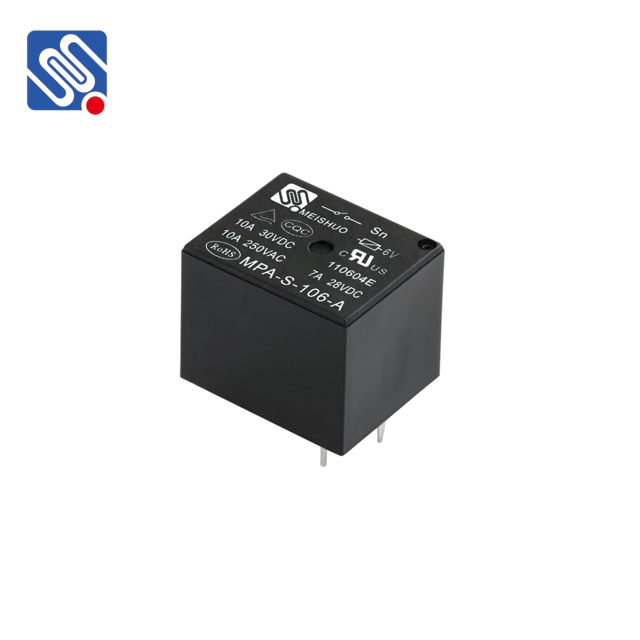
What Is Relay Current Rating? The relay current rating refers to the maximum amount of current the relay contacts can handle without damage. It is a critical parameter that influences the relay’s suitability for a particular circuit. The current rating has two main values that are of interest: the continuous current rating and the switching current rating. Continuous Current Rating: This is the maximum current that can flow through the relay contacts when the relay is in its closed position for an extended period. It indicates the safe operating current level when the relay is held closed without switching on and off. The continuous current rating is typically higher than the switching current rating because the contacts are not opening and closing frequently.




 Chat Oline