understanding pcb electromagnetic relay: principles, advantages, and applications
Release time:2025-12-08 00:00:26
A PCB electromagnetic relay is an essential component in modern electronics that serves as a switch, allowing for the control of high-power circuits through a low-power signal. It is widely used in various electronic devices, industrial equipment, and automation systems. This article explores the principles behind PCB electromagnetic relays, their advantages, and their applications across industries.
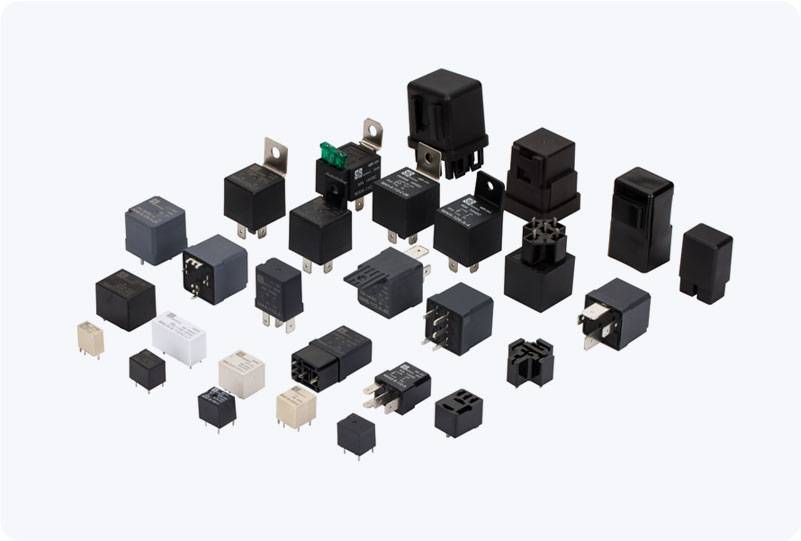
What is a PCB Electromagnetic Relay? A PCB electromagnetic relay is an electromechanical device that utilizes an electromagnetic coil to open or close the contacts within a circuit. When current flows through the coil, it generates a magnetic field that attracts an armature, causing the relay's switch to either make or break the electrical connection. This action is crucial in controlling circuits that carry large currents, often with the ability to control high-voltage or high-current devices using a low-voltage signal. In PCB-mounted electromagnetic relays, the coil and contacts are directly mounted onto the circuit board, reducing the size of the relay and enabling seamless integration into various electronic systems. These relays are usually compact and highly reliable, offering a high degree of electrical isolation between the control and load circuits.




 Chat Oline