understanding relay current: key concepts and applications in electrical systems
Release time:2025-12-08 00:44:38
Relay current plays a pivotal role in the functioning of electrical relay systems, which are essential components in automation and control circuits. These devices are designed to use a small electrical signal to control the switching of larger currents in a circuit. Understanding the different types of relay currents and their application is crucial for engineers and technicians working with electrical systems. In this article, we will explore the concept of relay current, its types, and the importance of selecting the right relay for various electrical applications.
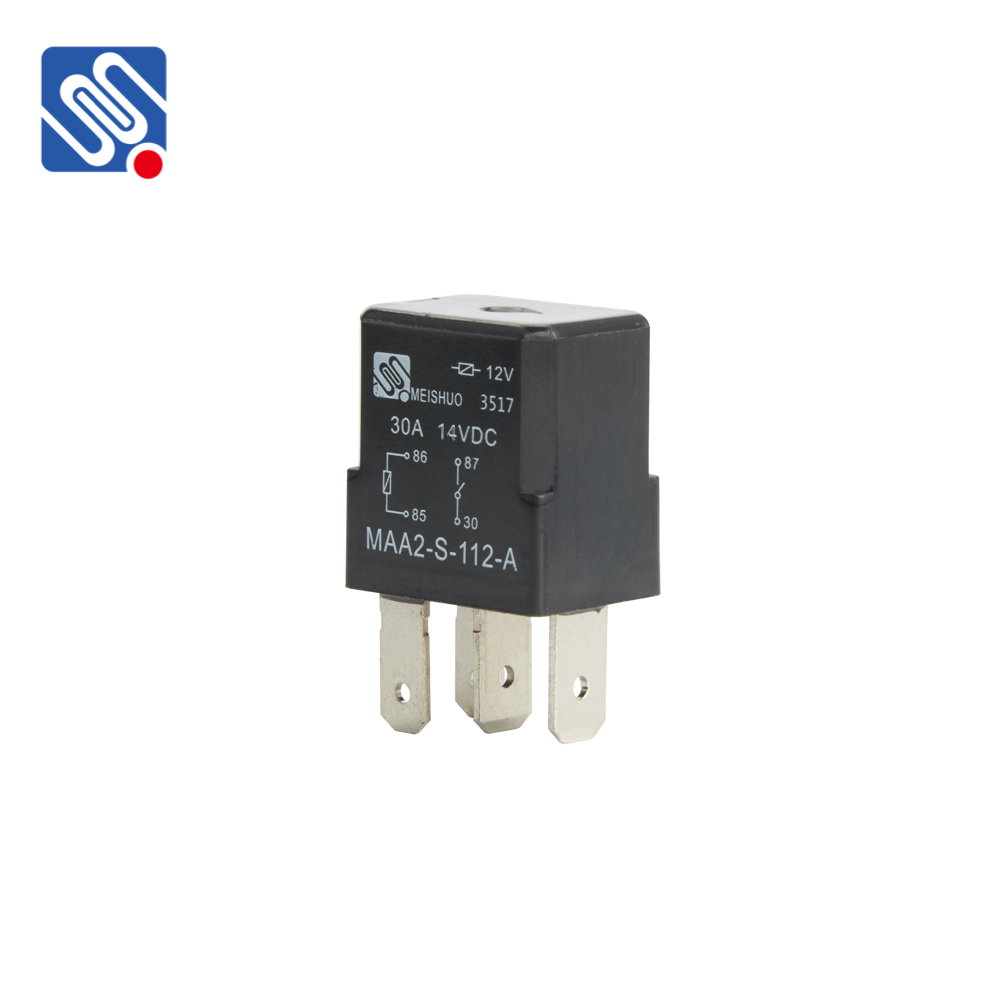
What is Relay Current? Relay current refers to the electric current that flows through different parts of a relay. A relay is essentially an electromagnetically operated switch, used to control a circuit's operation. When an electric current passes through the coil of a relay, it generates a magnetic field that attracts or repels a switch mechanism, thereby closing or opening the circuit. The current flowing through the relay can be categorized into different types, each serving a specific function in the operation of the relay. Types of Relay Current Coil Current: The coil current is the current that flows through the relay's coil when it is energized. This is the most crucial type of relay current, as it generates the magnetic field necessary to activate the relay. The coil current is usually low, often in the range of milliamps, and is what causes the relay to switch its contacts. Understanding the coil current is essential because it helps in selecting the appropriate power supply for the relay and ensures that the coil does not draw excessive current, which could lead to overheating or failure.




 Chat Oline