understanding industrial timer relays: key functions, types, and applications
Release time:2025-12-08 05:32:14
Industrial Timer Relays play a crucial role in modern industrial automation, offering precise time control for various electrical systems and processes. These devices combine the functionality of a timer with that of a relay, enabling the automation of machinery and control processes by setting timed delays for activating or deactivating circuits. This article explores the working principles, types, and applications of Industrial Timer Relays, showcasing their importance in diverse industries.
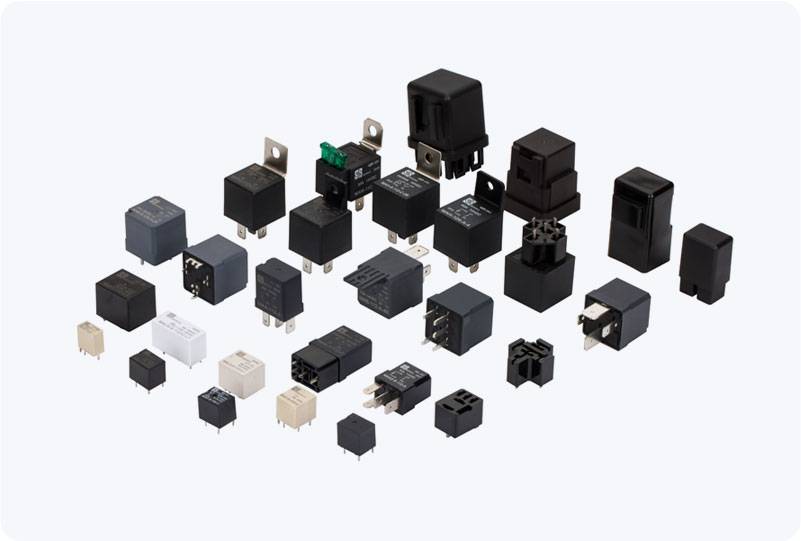
What is an Industrial Timer Relay? An Industrial Timer Relay is an electrical device designed to control the timing of electrical circuits, specifically for delays in switching operations. It integrates the timing function with the relay output, making it an essential component in industrial control systems. By setting a delay before the relay activates or deactivates, it automates processes that require specific timing, such as controlling machines, lights, alarms, and other electrical devices. The relay function is responsible for opening or closing contacts in the circuit based on a set time delay. This means that the connected devices (e.g., motors, solenoids, or lights) are either turned on or off after a predetermined period, improving overall system efficiency and safety.




 Chat Oline