understanding the normally open solenoid valve: working principles and applications
Release time:2025-12-08 06:36:06
A Normally Open Solenoid Valve (NOSV) is a critical component used in many fluid and gas control systems. The solenoid valve’s role is to regulate the flow of fluids by using an electromagnet to open or close a valve. This particular type of solenoid valve remains open when the electrical current is not applied and closes when the solenoid is energized. In this article, we will explore the working principles of a Normally Open Solenoid Valve, its advantages, and its wide range of applications.
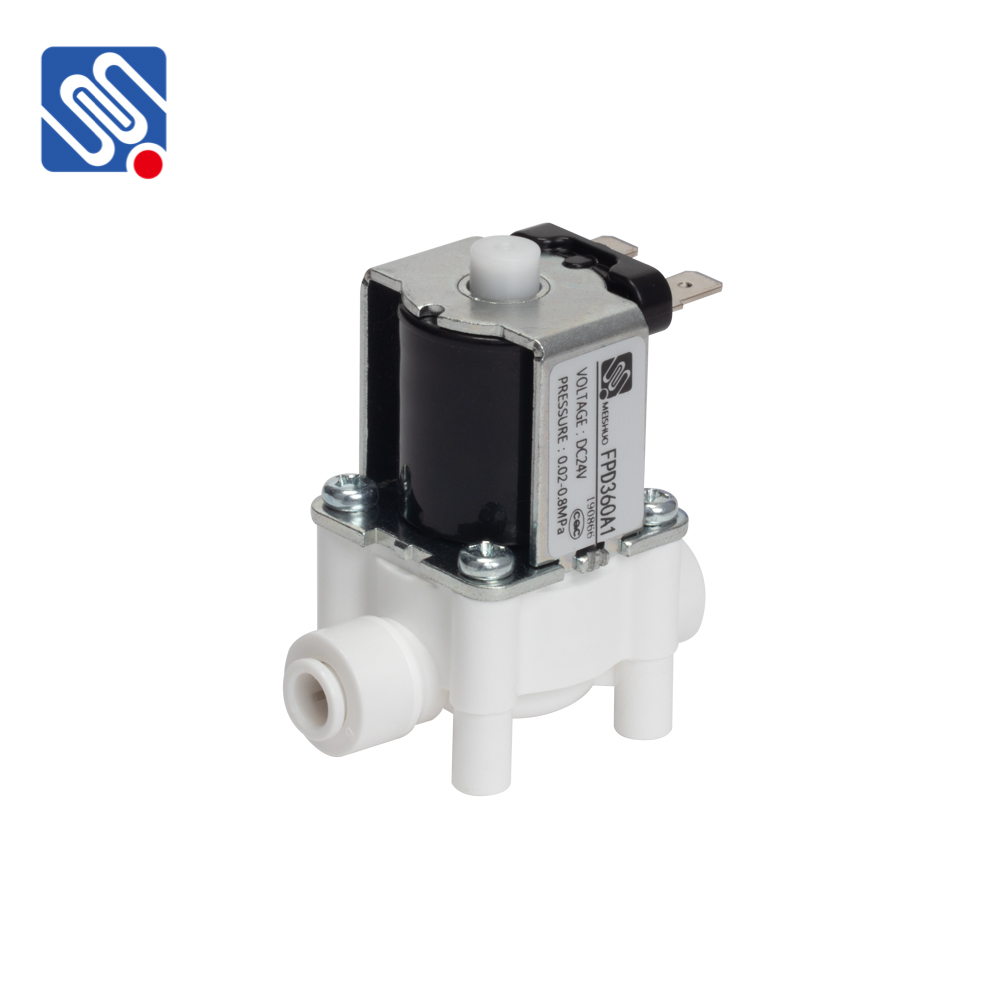
Working Principles of Normally Open Solenoid Valve The operation of a Normally Open Solenoid Valve is relatively simple yet highly effective. In the absence of an electrical signal, the valve stays in an open position, allowing fluid or gas to pass through. This "normally open" state is maintained by mechanical forces such as springs or gravity. When electricity is applied to the solenoid coil, it generates a magnetic field that moves a plunger or diaphragm, closing the valve and stopping the flow of fluid or gas. The basic components of a Normally Open Solenoid Valve include: Solenoid coil: When energized, it generates a magnetic field.




 Chat Oline