understanding automotive relay coil specifications
Release time:2025-12-08 12:35:22
Automotive relays are crucial components in modern vehicles, enabling efficient control of electrical circuits and systems. These small but powerful devices act as electrical switches, allowing low-voltage signals to control high-voltage circuits safely. Among the many factors that define the performance and suitability of Automotive relays, the specifications of the relay coil play a key role in determining its efficiency, reliability, and overall function within the vehicle's electrical system. This article explores the essential aspects of Automotive relay coil specifications, offering insights into their design, operation, and selection criteria.
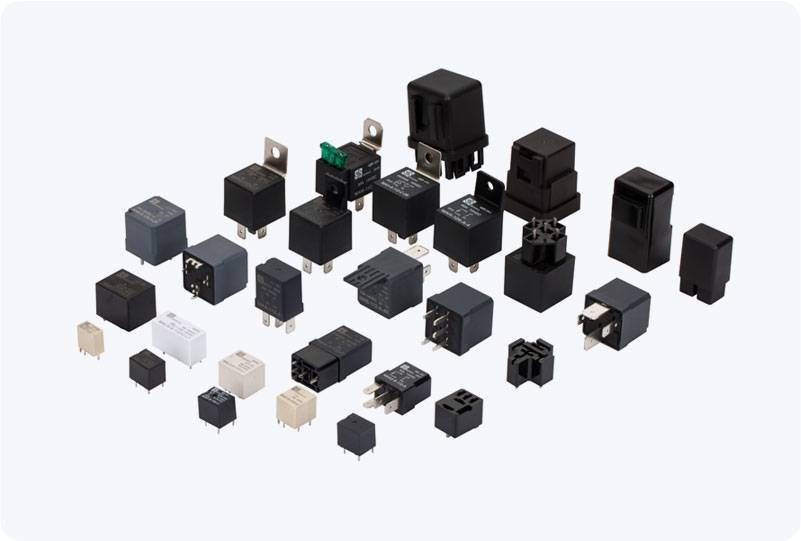
What is an Automotive Relay Coil? An automotive relay consists of two primary components: the coil and the switch. The coil, which is an electromagnet, plays a central role in the relay's operation. When an electric current is applied to the coil, it generates a magnetic field that activates the switch, either opening or closing a set of contacts depending on the relay's design. This allows the relay to control various electrical functions, such as powering headlights, air conditioning, or starting the engine. The specifications of the relay coil are crucial because they determine the relay's ability to function correctly under various conditions, including the voltage, current, and power levels typical in automotive electrical systems.




 Chat Oline