understanding overload protection relay: essential for electrical equipment safety
Release time:2025-12-08 15:03:52
An Overload Protection Relay is an electrical device designed to protect machinery and equipment from damage caused by excessive current or overheating. Overload conditions can occur in electrical circuits when the current exceeds the rated capacity of the system, often due to faults or incorrect operational conditions. Without proper protection, these overloads can lead to equipment failure, fire hazards, or even total system collapse. Overload protection relays serve as critical components in safeguarding electrical systems, ensuring they run efficiently and without damage.
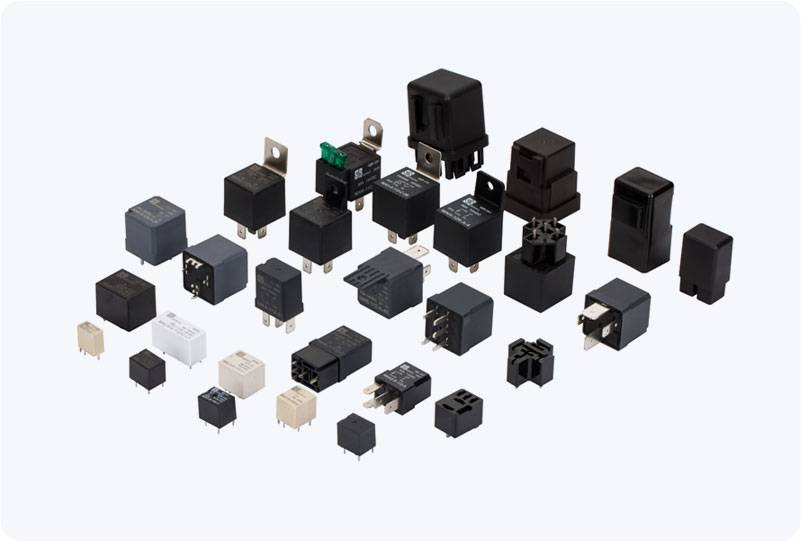
What is an Overload Protection Relay? An overload protection relay is essentially a safety device that monitors the current flowing through an electrical circuit. Its primary function is to interrupt the circuit when an overload condition is detected, preventing further damage to the connected equipment, such as motors, transformers, or generators. When an overload condition arises, the relay triggers the circuit breaker, cutting the power to the system to protect it from potential harm. Working Principle Overload protection relays typically operate based on two principles: thermal and electronic.




 Chat Oline